
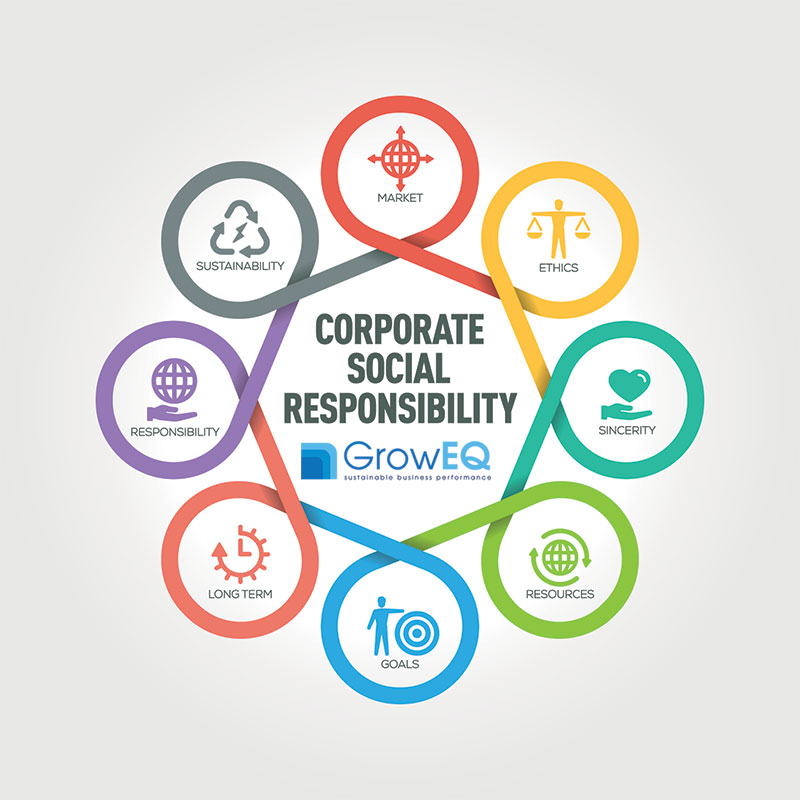
Corporate Social Responsibility GrowEQ ISO systems, Process Improvement & Management
Social responsibility. For businesses and organizations committed to operating in a socially responsible way, there's ISO 26000. It provides guidance to those who recognize that respect for society and environment is a critical success factor. As well as being the "right thing" to do, application of ISO 26000 is increasingly viewed as a.
Corporate Social Responsibility—Good for Society, Good for Business
Contact. Roland Terry-Lloyd. Head of Engagement and Strategic Delivery. SI@standards.org.au. Environmental, Social & Governance (ESG) is the movement for businesses to operate in a transparent, environmentally and socially responsible way and to practice good governance.
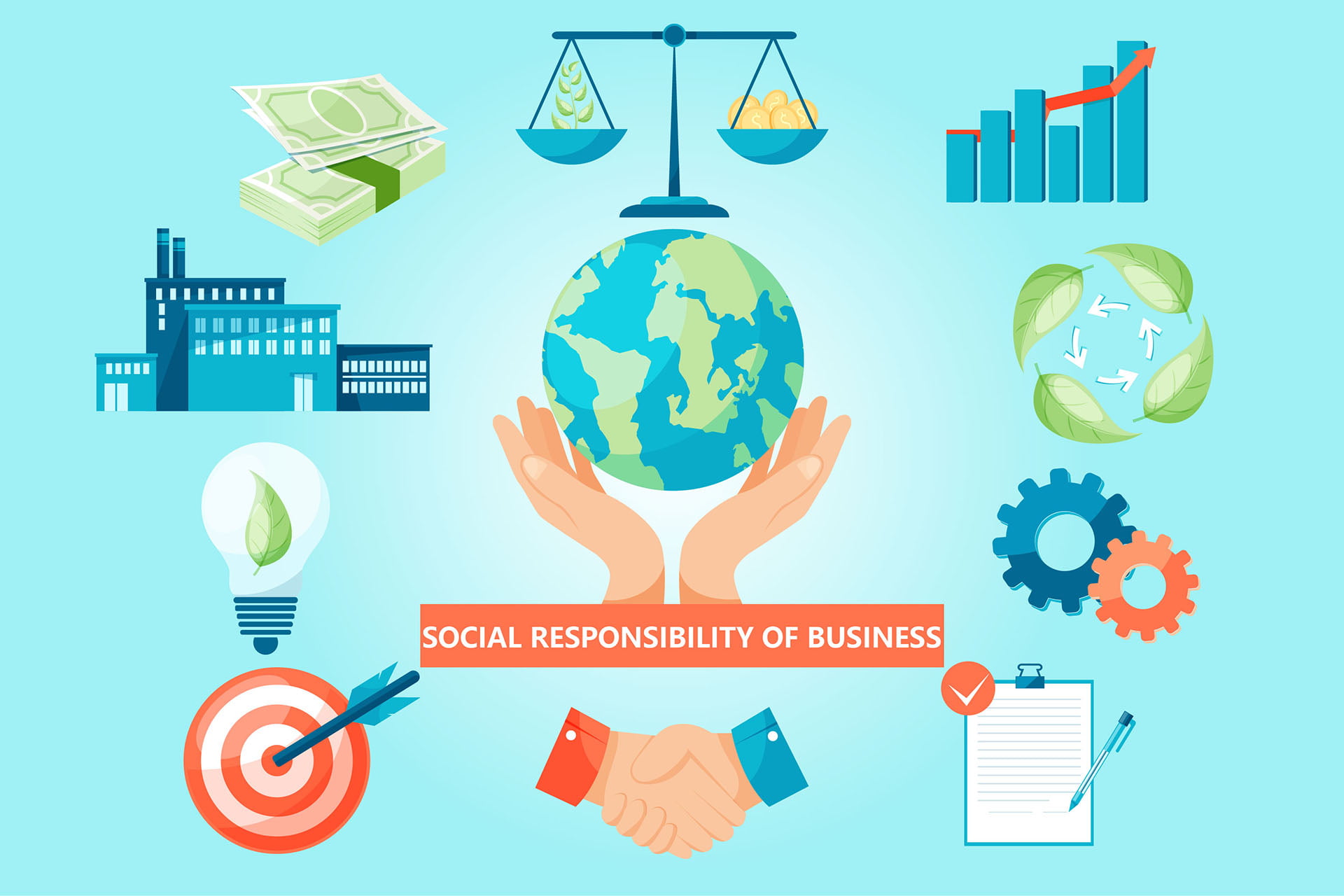
Social responsibility of business meaning, types, examples
ISO 26000 was prepared by ISO/TMB Working Group on Social Responsibility. This International Standard was developed using a multi-stakeholder approach involving experts from more than 90 countries and 40 international or broadly-based regional organizations involved in different aspects of social responsibility.
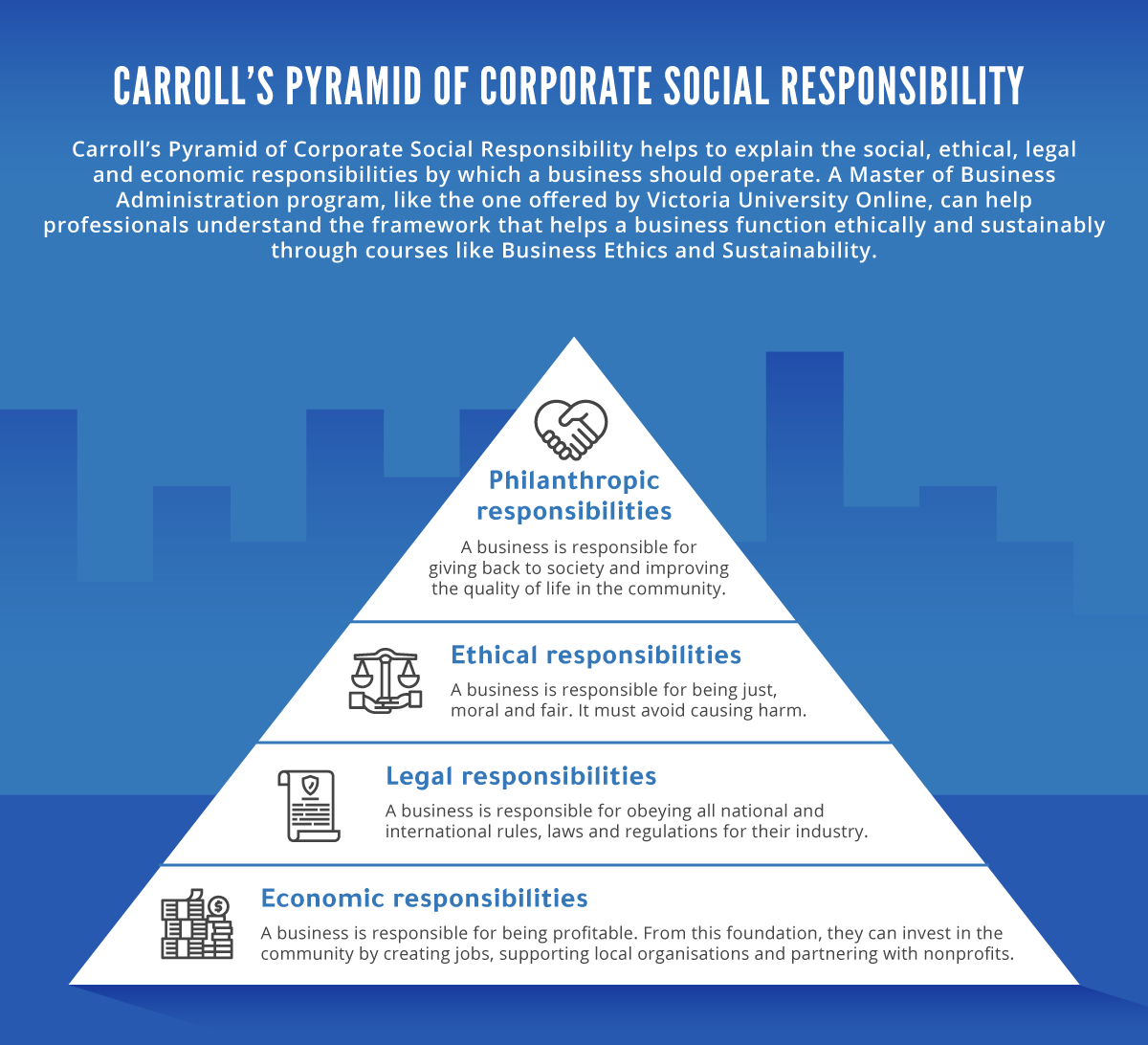
Understanding Corporate Social Responsibility (CSR) VU Online
3. Identifying varieties of international corporate social responsibility standards. The current landscape of CSR governance is characterized by a large variety of standards, with some standards being sector-, product- and/or issue-specific, while others are more generic in nature.
Examples of Social Responsibility in Business

ISO 26000:2010 - "Guidance on Social Responsibility" is one of the most popular standards for social responsibility (ISO 2017b ). ISO 26000:2010 was created in 2010 by more than 500 different stakeholders gathered around the ISO Working Group on Social Responsibility (ISO/WG-SR) - and reviewed and confirmed in 2017 - "so this.
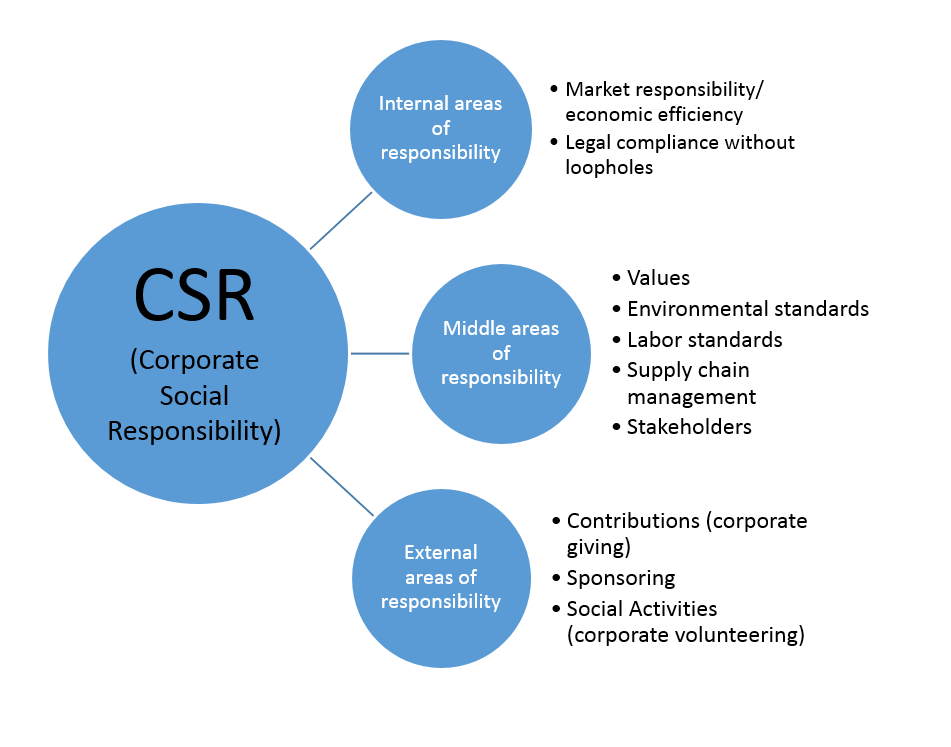
Corporate Social Responsibility Visual.ly

Corporate social responsibility is a very broad concept with no clear boundaries. The origins of the corporate social responsibility movement are often traced back to Howard R. Bowen and his 1953 book on social responsibilities of the businessman.1 Key publications on what will later evolve as the general
Corporate social responsibility definition and example IONOS
Social sustainability is about identifying and managing business impacts, both positive and negative, on people. The quality of a company's relationships and engagement with its stakeholders is critical. Directly or indirectly, companies affect what happens to employees, workers in the value chain, customers and local communities, and it is.
Corporate Social Responsibility in Japan SME Japan Business in Japan
While the primary responsibility for the enforcement of international human rights standards lies with governments, there is a growing acceptance internationally and in Australia that companies also have an important role to play.. This short paper, published in 2008, addresses some basic questions regarding corporate social.
14 Best Socially Responsible Companies That Are Making Impact

ISO 26000:2010 Guidance on social responsibility is an international standard providing guidelines for social responsibility (SR, often CSR - corporate social responsibility).It was released by the International Organization for Standardization (ISO) on 1 November 2010 and its goal is to contribute to global sustainable development by encouraging business and other organizations to practice.
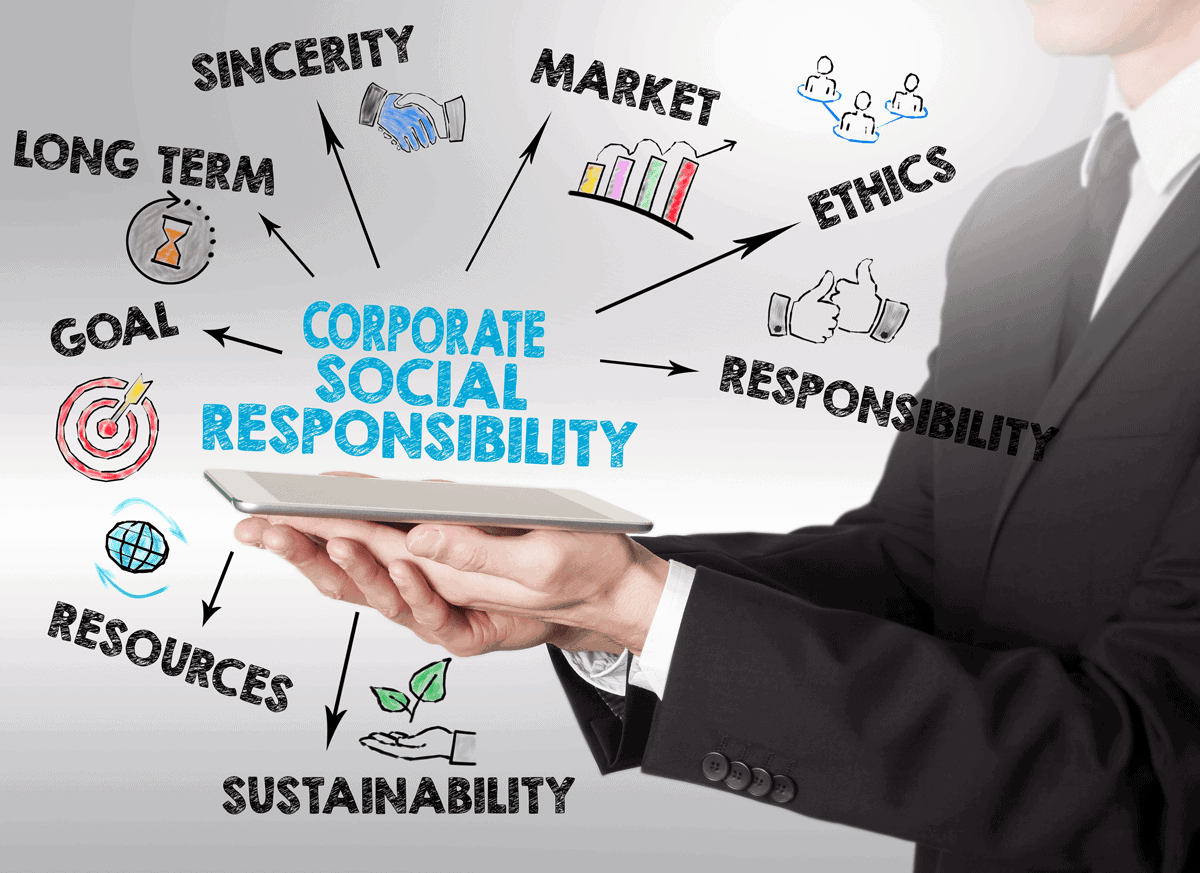
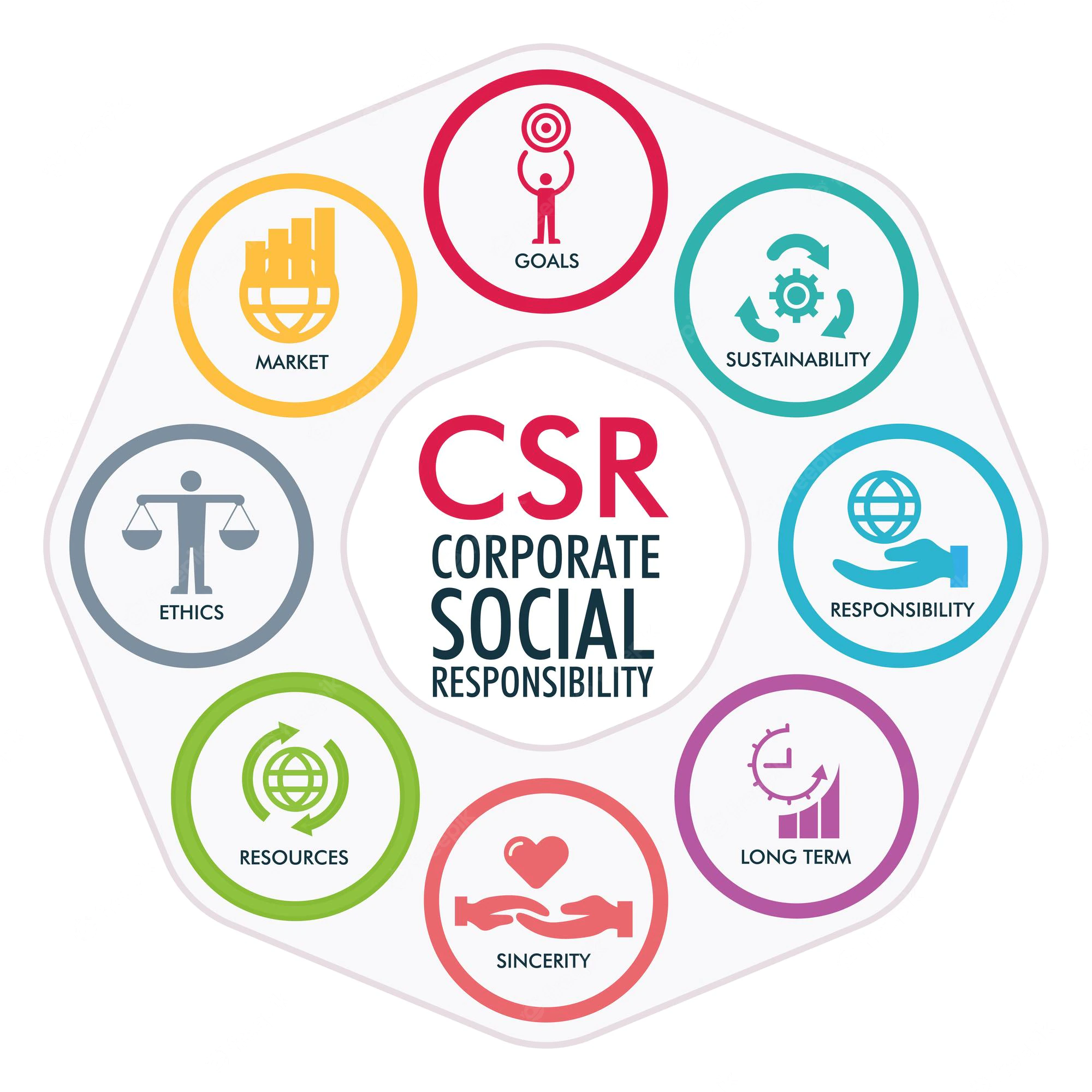
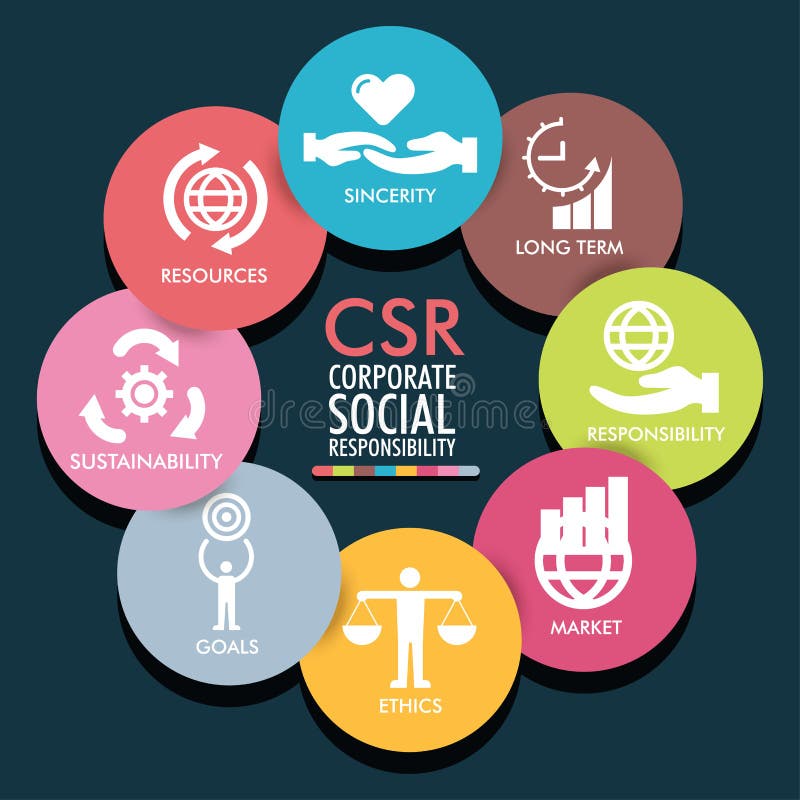
CSR Corporate Social Responsibility, Sustainability, Goals, Market, Ethics, Resources, Sincerity
Corporate Social Responsibility: An Implementation Guide for Business iii. iv Corporate Social Responsibility: An Implementation Guide for Business. Tab le of Contents. unless there is respect for natural systems and international standards protecting core social and environmental values. In this context, it is increasingly recognized that.
Corporate Social Responsibility (CSR) Origin, Types, & Benefits
.png?width=5760&name=Types_of_Corporate_Social_Responsibility_(CSR).png)
Guidance on social responsibility. This guidance document constitutes a stepping stone for organizations in both the public and pri-vate sectors who want to implement ISO 26000 as a means of achieving the benefits of operating in a socially responsible manner. The objective of social. responsibility is to. contribute to sustainable. development.
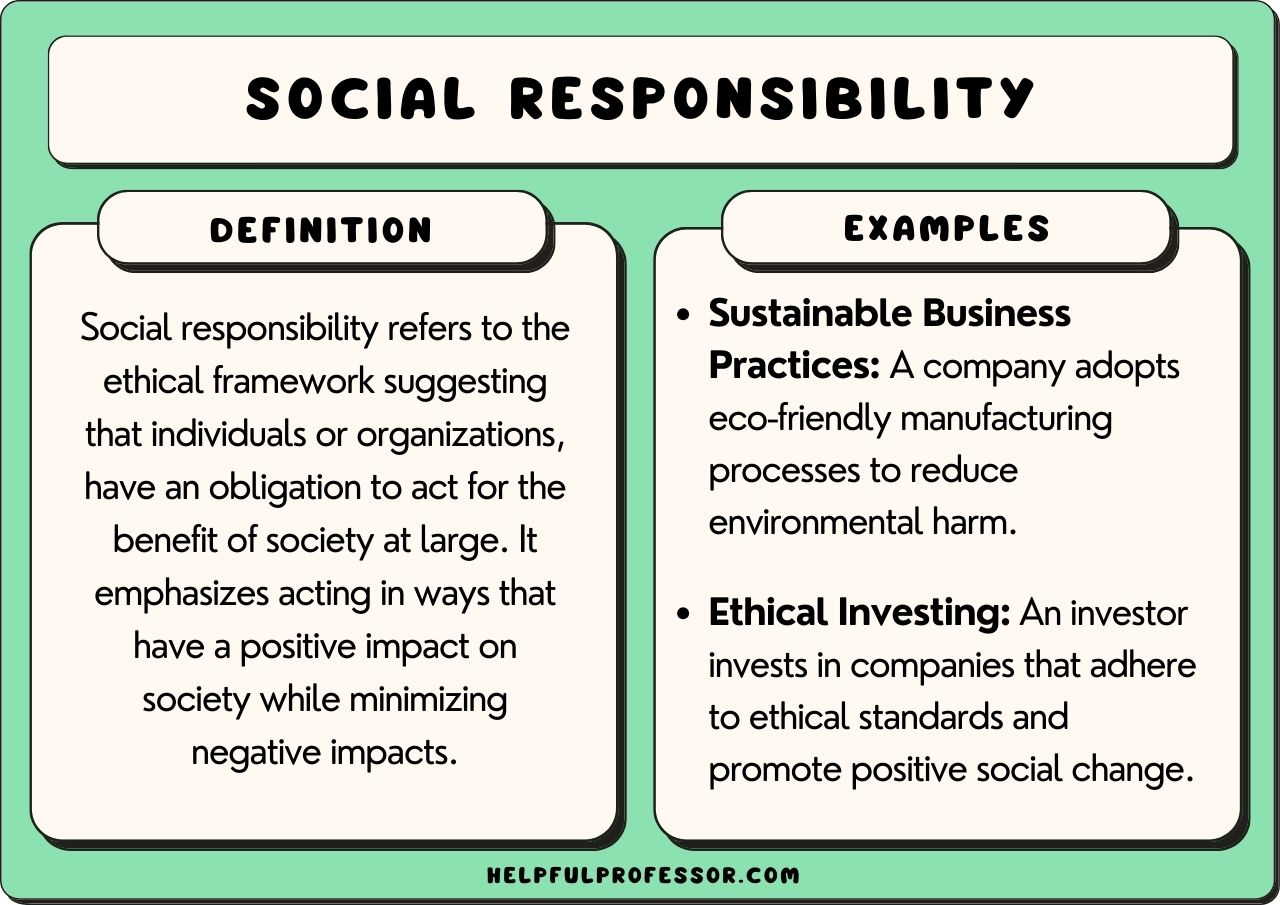
18 Social Responsibility Examples (Personal and Corporate) (2024)
The Draft Standard's stated aim is "to provide essential elements for establishing, implementing and managing an effective Corporate Social Responsibility Program within an organisation" and to provide guidance in using those elements. The proposed Standard is part of Standards Australia's Governance Series, which, when complete, will.
Corporate Social Responsibility (CSR) Origin, Types, & Benefits
.png?width=2880&name=The_Benefits_of__Corporate_Social_Responsibility_(CSR).png)
Corporate social responsibility, often abbreviated "CSR," is a corporation's initiatives to assess and take responsibility for the company's effects on environmental and social wellbeing. The term.
Corporate Social Responsibility in the 21st Century Enterra Solutions
Corporate social responsibility has been an important theme in management at least since the 1960s. International business became a recognized subfield in management around the same time. Logically, there might have been much dialogue about corporate social responsibility in international business research and publication, yet previous reviews of the literature indicate relatively little such.
Corporate Social Responsibility (CSR) and Sustainability Coltgroup
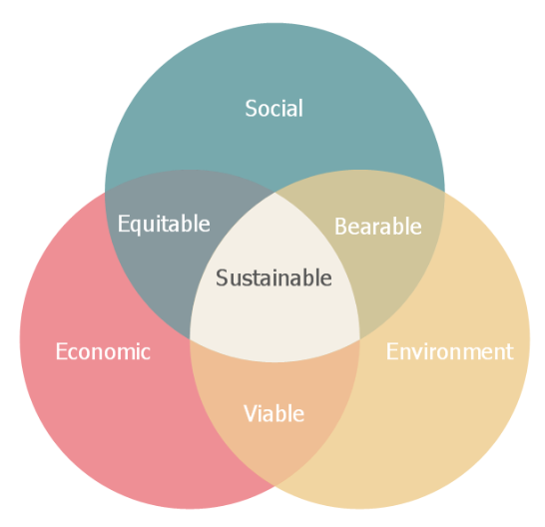
The responsibility of an organization for the impacts of its decisions and activities on society and the environment, through transparent and ethical behavior that: Contributes to sustainable development, including health and the welfare of society. Takes into account the expectations of stakeholders. Is in compliance with applicable laws and.
Standards in Social Responsibility The Value of ISO 26000 Sustainability Knowledge Group
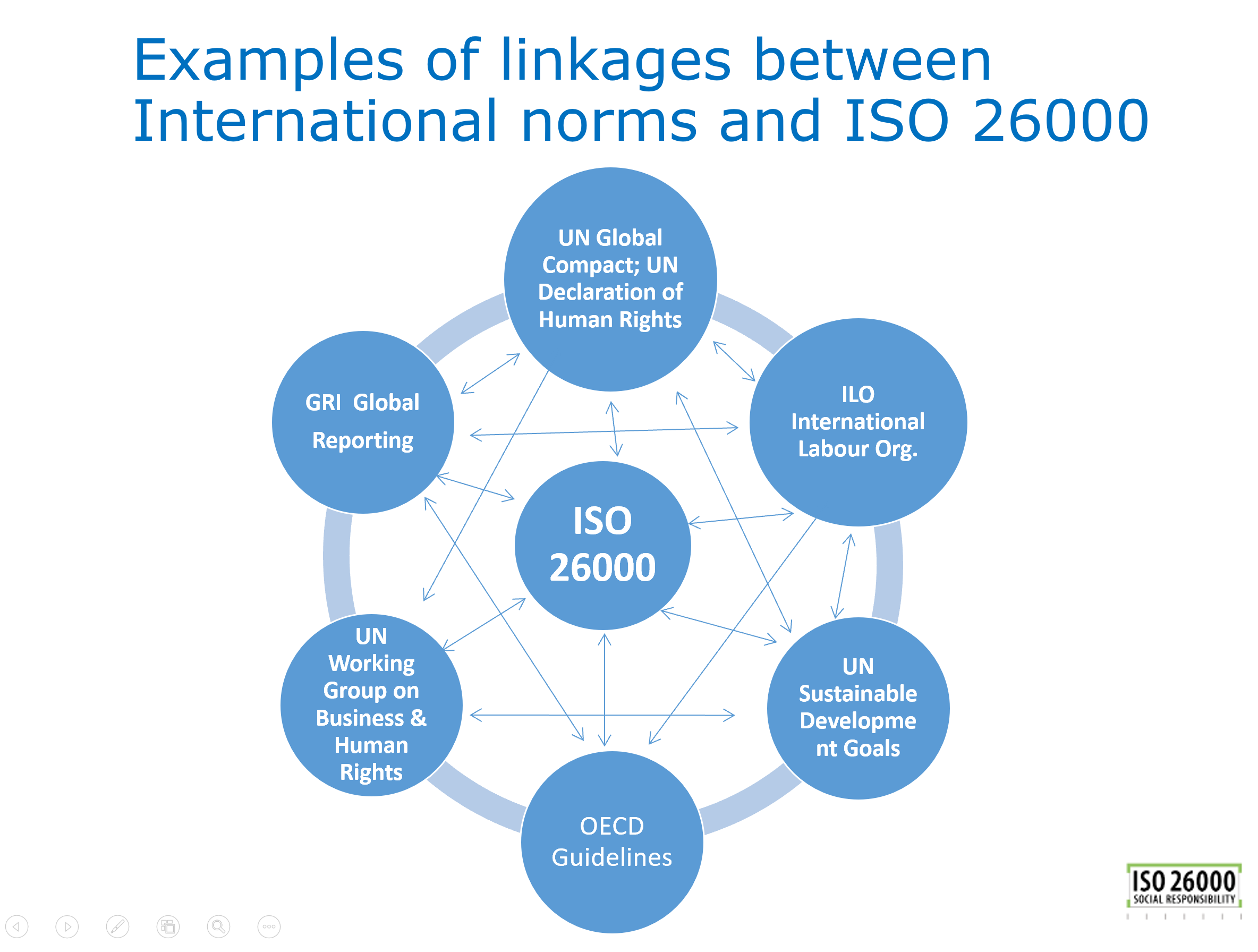
Corporate social responsibility is the overall ethos that drives a company to adopt policies and practices that support sustainability, societal and other ethical ends. Environmental, social and governance (ESG) is about the ways in which their impact is measured or quantified. While both CSR and ESG are about reflecting the company's values.
.