
Photo of the week Tokoeka kiwi Conservation blog

In this blog I explore the origins of our popular nickname, 'Kiwi'. I describe how images of the Kiwi were used to sell products and services, before later becoming a symbol of New Zealand during the first world war, and then, finally, how Kiwi became part of our national identity. Join me as we reflect on some of New Zealand's key historical moments and learn how New Zealanders came to.
Sciblogs Despite major conservation efforts, populations of New Zealand’s iconic kiwi are more
New Zealanders (Māori: Tāngata Aotearoa), colloquially known as Kiwis (/ k iː w iː /), are people associated with New Zealand, sharing a common history, culture, and language (New Zealand English).People of various ethnicities and national origins are citizens of New Zealand, governed by its nationality law.. Originally composed solely of the indigenous Māori, the ethnic makeup of the.
Why are New Zealanders called 'Kiwis' A brief history of how 'Kiwi' became a national identity

You've surely heard of a kiwi in relation to the fruit, but did you know that's how people refer to New Zealanders as well? Discover why with this quick history lesson.
10 best places to see kiwi birds in New Zealand 100 Pure NZ
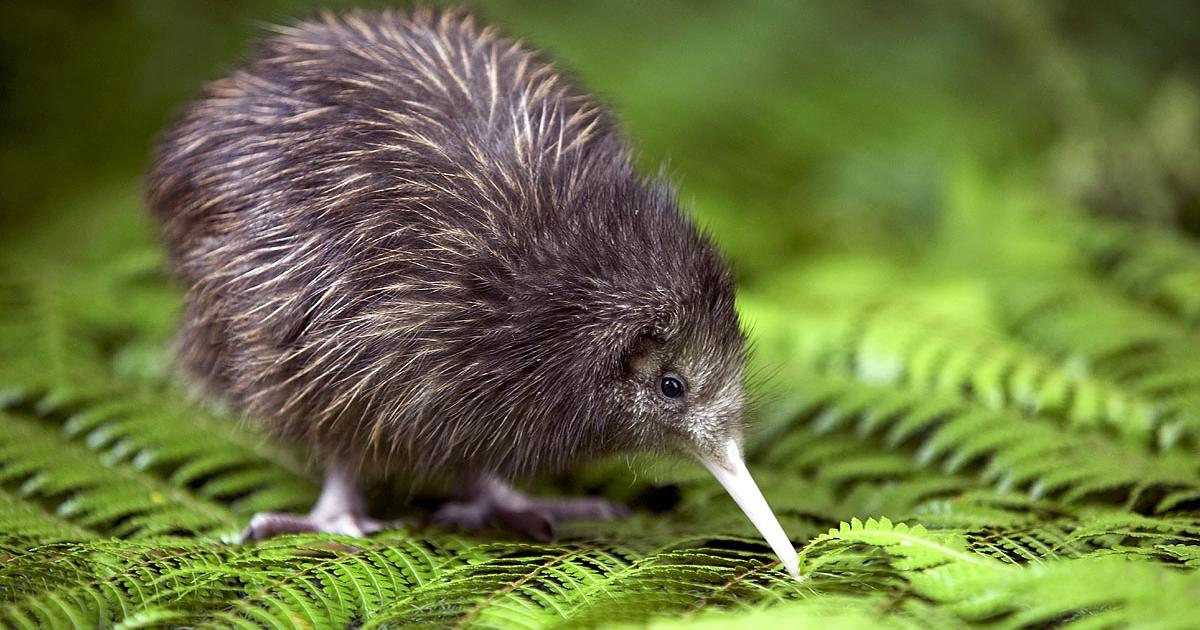
This word 'Kiwi' has three definitions. First, it's a kind of fruit you can eat, the kiwifruit. It's very nutritious and really delicious to eat. Second, the kiwi is a special and nearly extinct bird. It can't fly, which is unusual, and it only lives in New Zealand. It is a symbol of New Zealand, and New Zealand people call it 'Kiwi'.
New Zealand Loves The Kiwi So Much, It's Both Its National Animal and Bird

In British slang, the term "kiwi" was used to refer to someone from New Zealand as early as the late 19th century. This slang term likely originated from the Kiwi bird's association with New Zealand. As a result, the bird inherited the name "kiwi" due to its connection with the country's people.
Kiwis The People of New Zealand My New Zealand Campervan Trip
Why are New Zealanders called Kiwis? Is it because of the kiwi bird? Yes it is, and it seems to have originated from the early 1900s, when cartoonists started to use the image of a kiwi bird to represent New Zealanders, or Kiwis, abroad.. New Zealand's population was about 5.1 million people. The total population of New Zealand surpassed.
New Zealand People & Culture Kiwi Attitudes Understanding People From New Zealand! YouTube
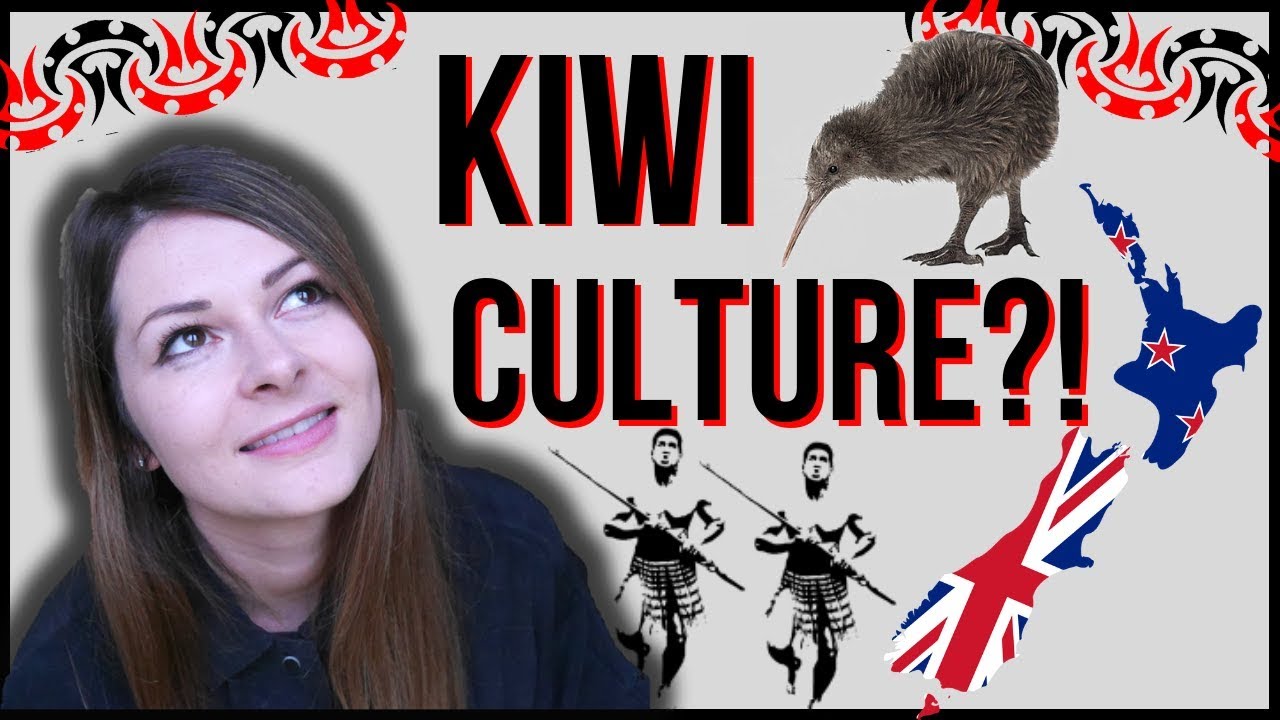
New Zealanders are affectionately known as 'Kiwis,' a term that carries pride and is far from being derogatory. The moniker originates from the kiwi, a distinctive flightless bird native to the country. It was during World War I that New Zealand soldiers first earned this nickname, a label that has endured for over a century.
Why Are New Zealanders Called Kiwis? Uncovering the Origins
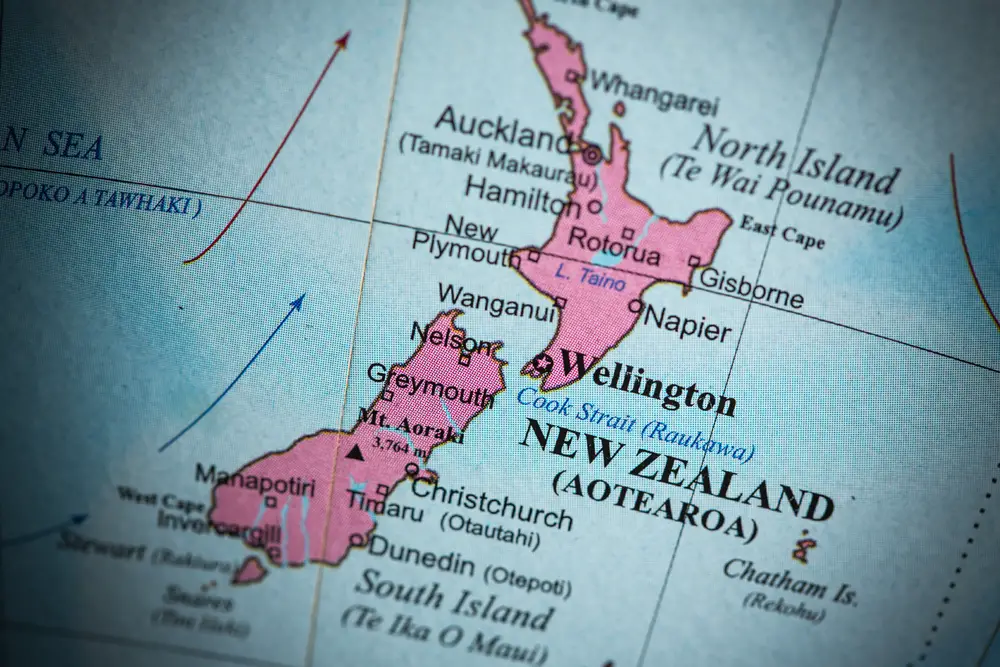
The nickname for New Zealanders, 'Kiwi,' originates from the kiwi bird, which is an integral part of the nation's identity and culture. Bold and resilient, the kiwi bird has come to symbolize the characteristics that New Zealanders hold dear. Therefore, the term 'Kiwi' became a natural choice as a nickname for the people of New Zealand.
Why New Zealanders Called Kiwis? Omneaa

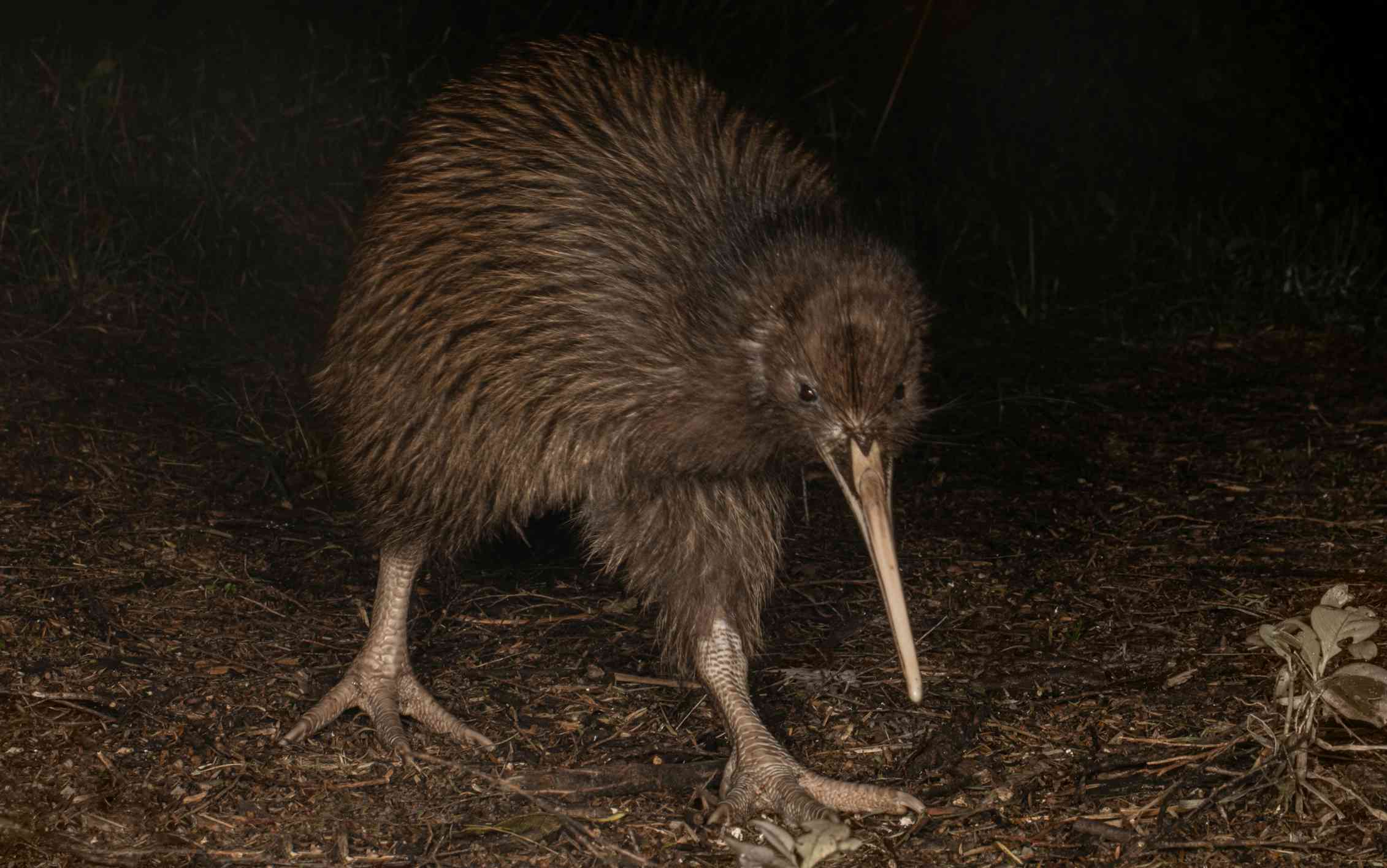
The kiwi is one of New Zealand's many flightless birds. They didn't need to fly because there weren't any land mammal predators before man arrived to New Zealand 1000 years ago. LEARN MORE. Feathers like hair. Because kiwi do not fly, their feathers have evolved into a unique texture to suit a ground-based lifestyle.
Kiwi Bird Sanctuaries New Zealand Bruin Blog
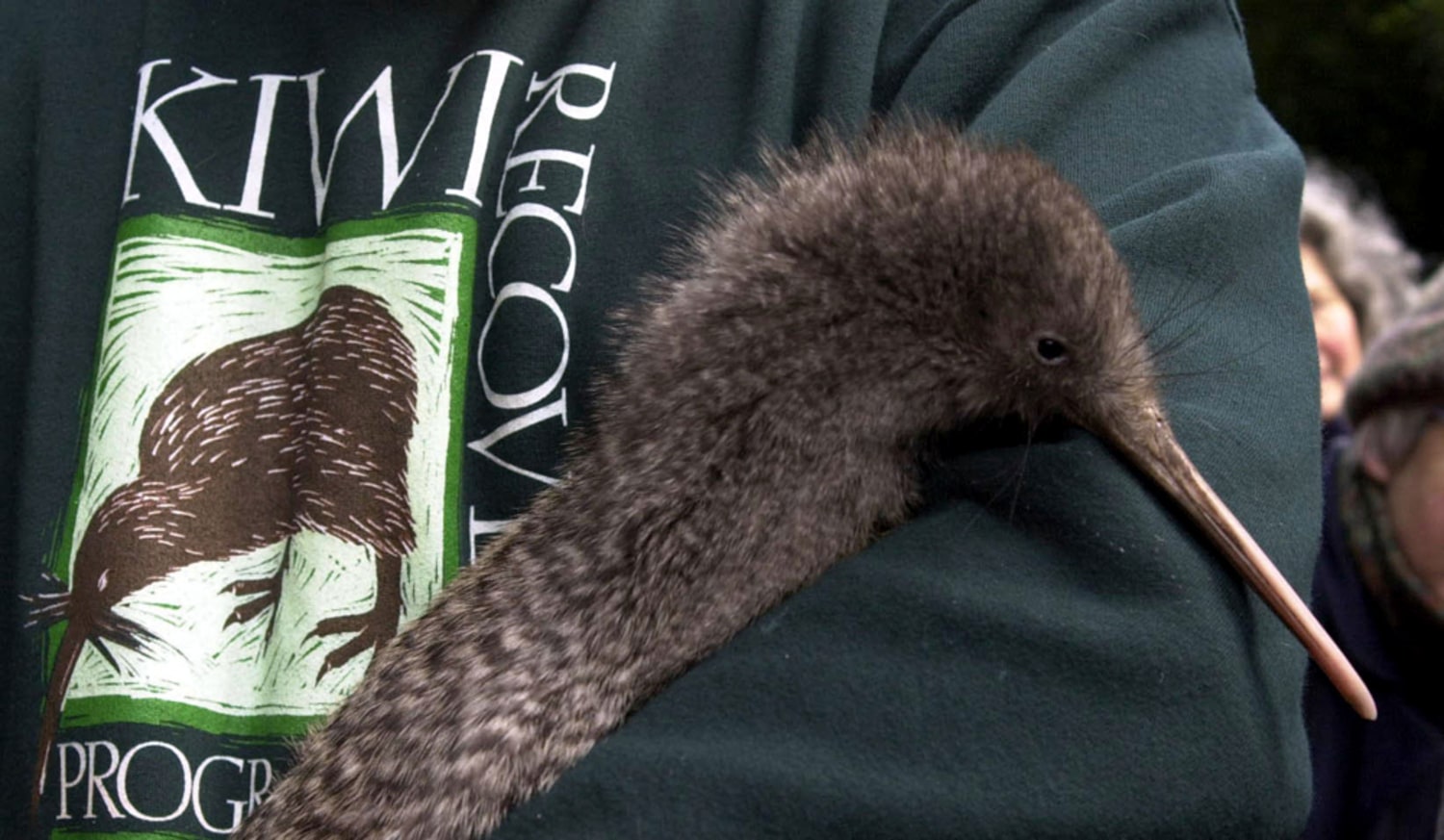
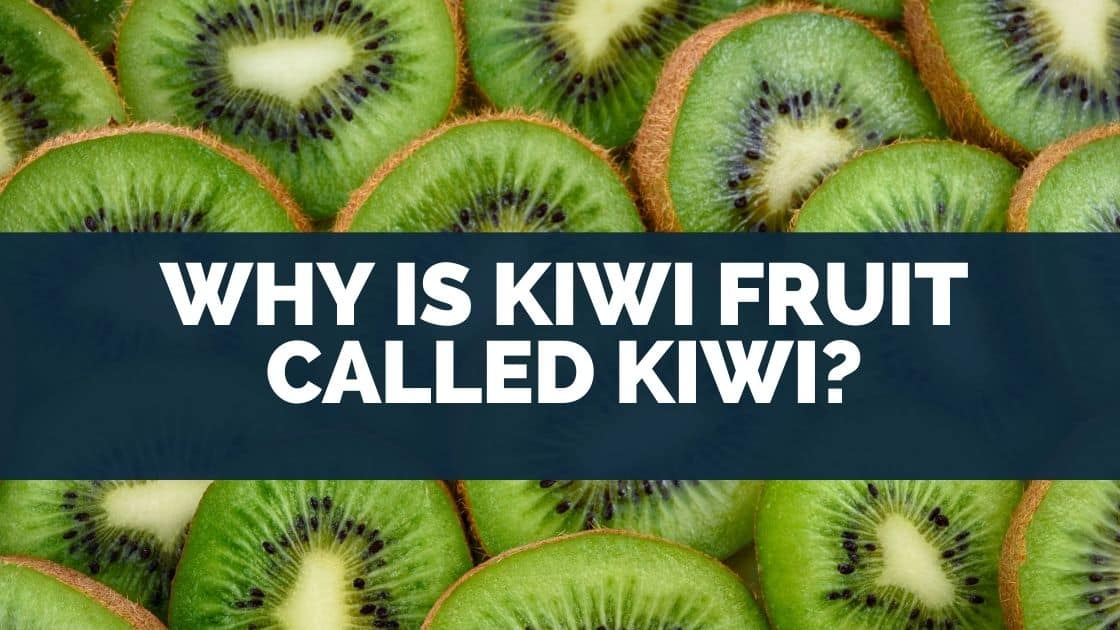
The kiwi fruit, which is originally from China, is also named after the bird.In 1959, fruit exporters in New Zealand started calling it "kiwifruit" because its fluffy, brown skin looks similar to the fluffy bird. However, it is important not to mix up Kiwi people, kiwi birds and the kiwi fruit!Although the fruit is usually just called "kiwi" in.
Why New Zealanders Are Called Kiwis? MyLifestyle

Today, the population of New Zealand is made up of people from a range of backgrounds; 70% are of European descent, 16.5% are indigenous Māori, 15.1% Asian and 8.1% non-Māori Pacific Islanders. Geographically, over three-quarters of the population live in the North Island, with one-third of the total population living in Auckland.
The national bird of New Zealand is(a) Kiwi(b) Emu(c) Cassowary(d) Ostrich
A Kiwi holding a kiwi "Kiwi" (/ ˈ k iː w i / KEE-wee) is a common self-reference used by New Zealanders, though it is also used internationally. Unlike many demographic labels, its usage is not considered offensive; rather, it is generally viewed as a symbol of pride and affection for most people of New Zealand.. The name derives from the kiwi, a native flightless bird, which is a national.
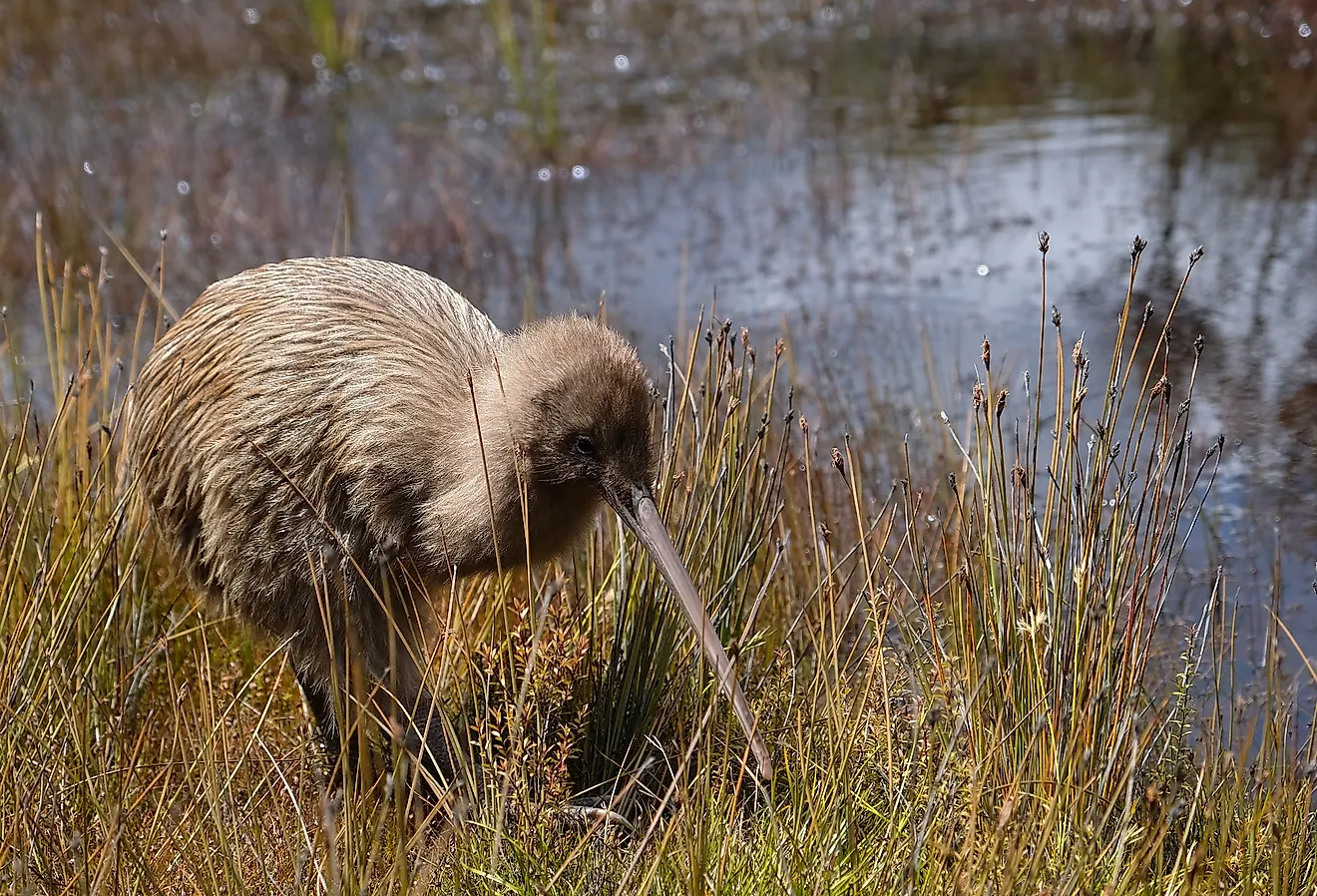
The 5 Species Of Kiwis Of New Zealand WorldAtlas
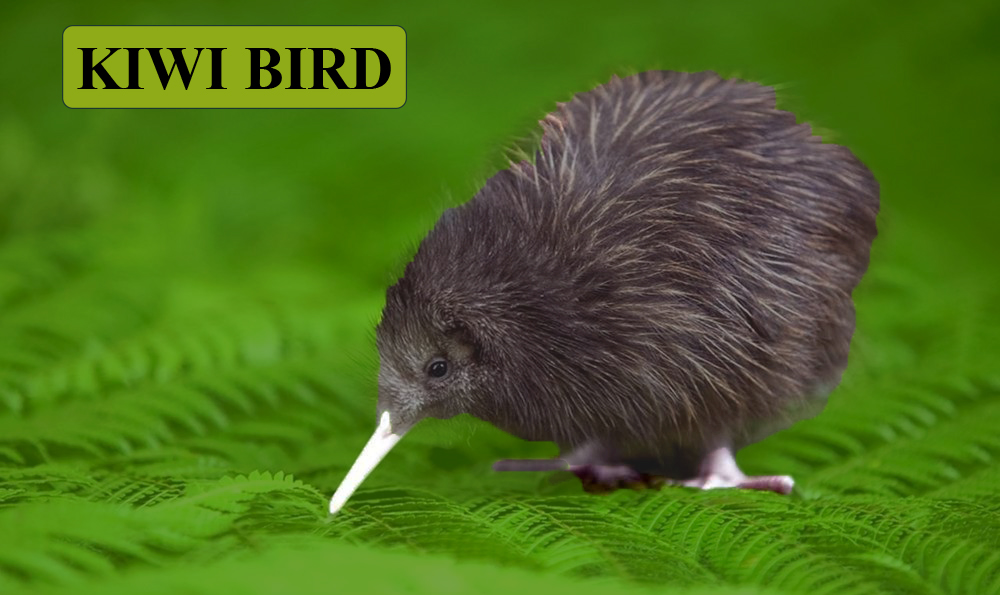
There are a few reasons. First, the kiwi bird is a beloved symbol of New Zealand, and being called a "Kiwi" is a way of celebrating that connection. Second, the nickname has a sense of warmth and familiarity to it, and it's often used by friends and family members as a term of endearment. Finally, the nickname has a sense of identity to.
Why Is Kiwi Fruit Called Kiwi? [Origin Story & FACTS] Eat For Longer
Impact of kiwi. The indigenous Māori of New Zealand has always considered the kiwi as the most important regard for their major activities. They also called the kiwi bird as the god of the forest and the hidden bird of Tāne. The peoples still worshipping its feathers too, since they believe that it consists of the holy power that none of the.
The 5 Species Of Kiwis Of New Zealand WorldAtlas
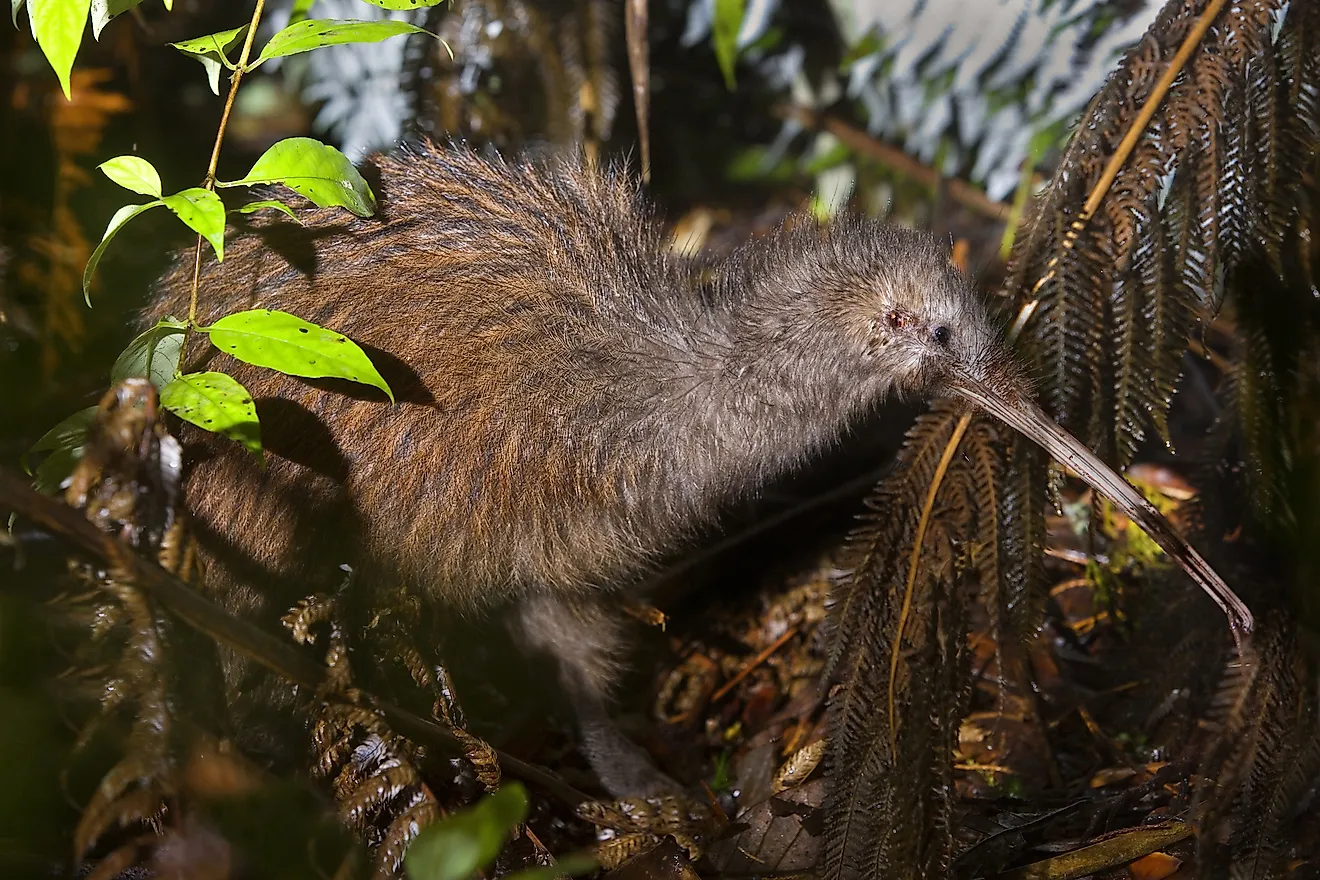
New Zealand's indigenous Māori have always held the kiwi bird in high regard. They called it the hidden bird of Tāne, the God of the forest - or 'te manu huna a Tāne' in the native language. Cloaks made out of kiwi feathers, known as 'kahu kiwi' were treasures ( taonga) reserved exclusively for tribal chiefs.
Young kaitiaki learn to care for Omataroa kiwi Predator Free NZ

A kiwi is a small, flightless bird that is endemic to New Zealand. That means that not only is it native to the country, but it is not found anywhere else in the world. They're special little things, and they are entirely unique to New Zealand. Due to Aotearoa's geographic isolation and lack of native mammals, kiwis lived for years without.
.