
What objects do stick to?

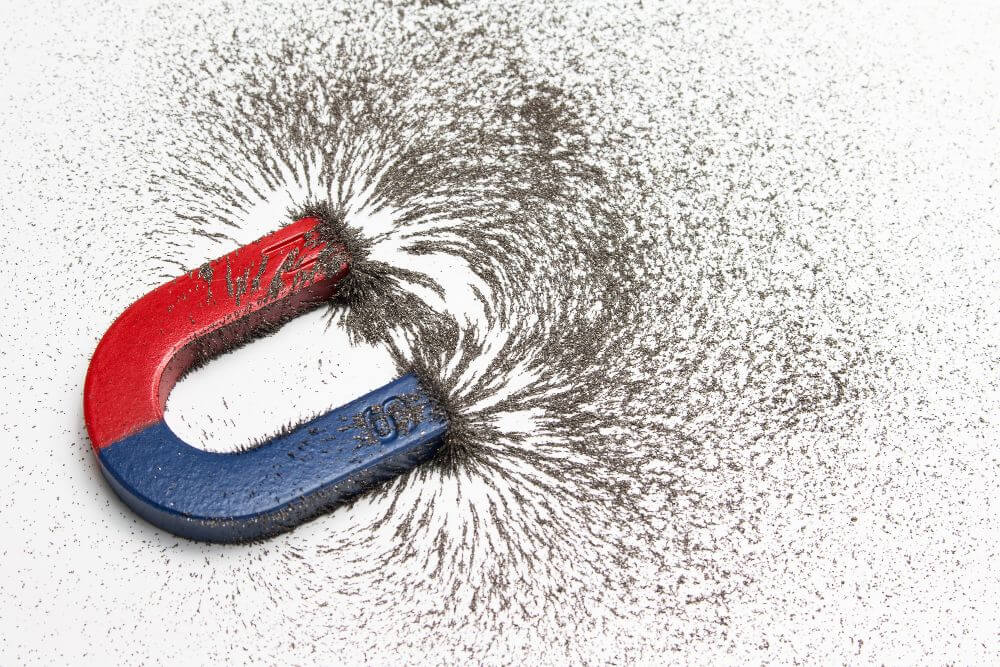
Magnets are objects that produce magnetic fields and attract metals like iron, nickel and cobalt. The magnetic field's lines of force exit the magnet from its north pole and enter its south pole. Permanent or hard magnets create their own magnetic field all the time. Temporary or soft magnets produce magnetic fields while in the presence of a.
What Surfaces Will Stick To Magnum
Ultimately, the level of magnetism depends on the type of stainless steel and its alloy composition. The strength of the magnet can also play a role. For instance, an exceptionally strong magnet may successfully stick to austenitic stainless steel. Meanwhile, a weak magnet may struggle to stick to a ferritic surface.
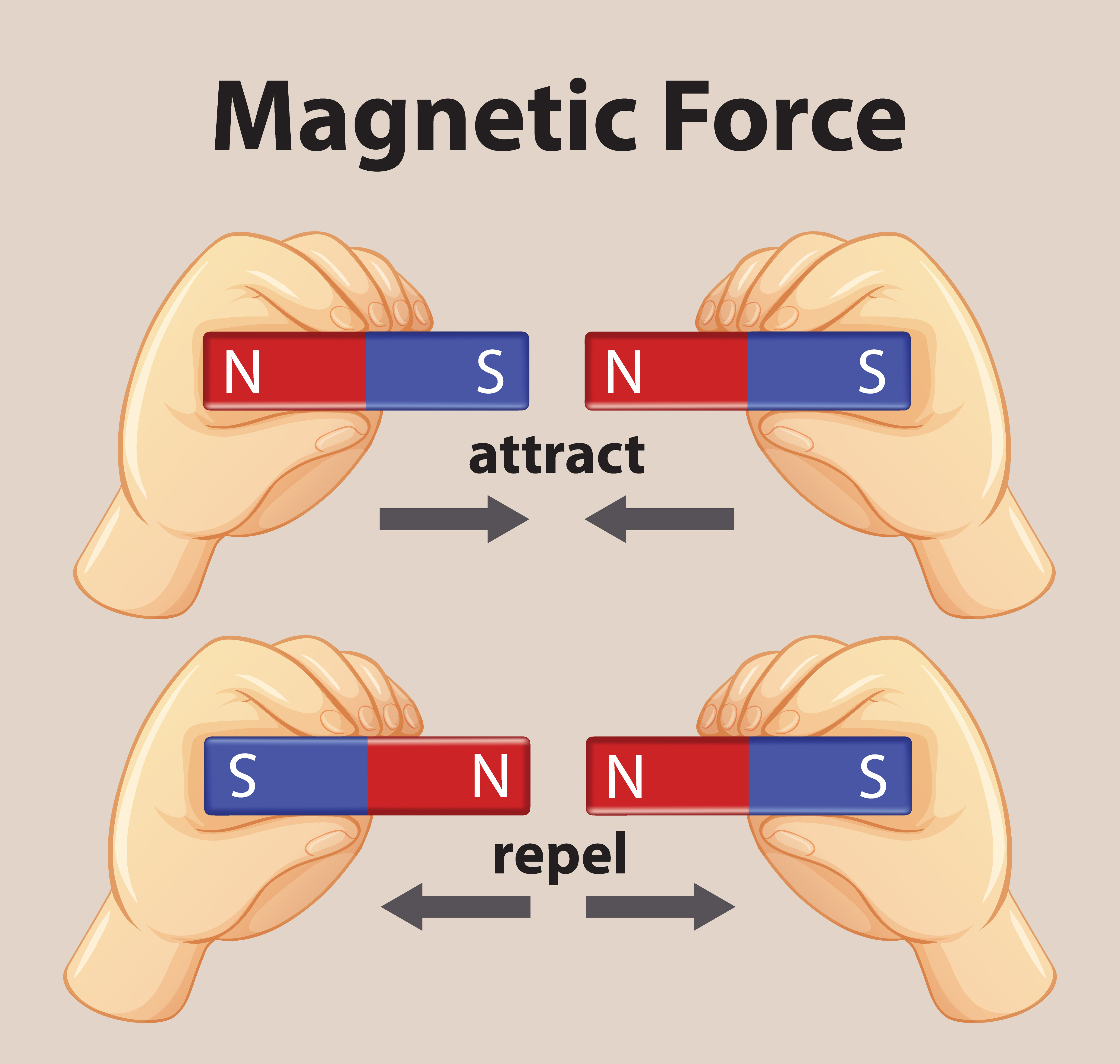
force show attraction and repulsion for kids physics educational 1436749
In certain cases, yes. Magnets will stick to black stainless steel if the steel at its core is ferromagnetic. Whether or not magnets stick to black stainless steel also depends on whether the coating of the finish is thin enough to allow a magnet to cling to it. Do your research before choosing a finish to ensure your appliance has what you.
Stick To Different Types Of Materials
.png)
🔍 Can Magnets stick to chromium? Yes, magnets can stick to chromium as it is a ferromagnetic material. However, the strength of the magnetic attraction may vary depending on the composition and surface of the chromium. 🔍 Can Magnets stick to iron? Magnets can stick to iron as iron is a ferromagnetic material, which means it can be magnetized.
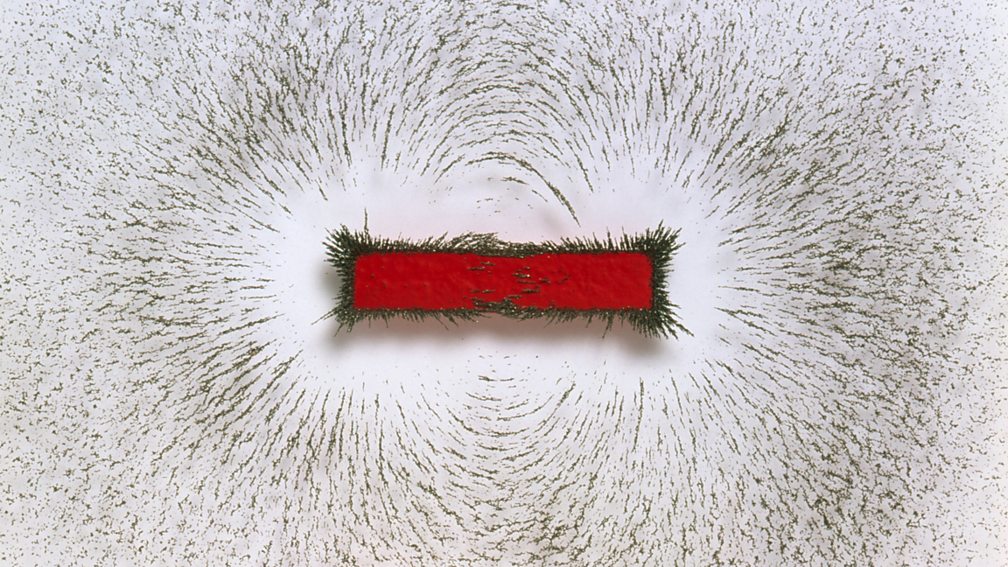
field of a bar fields CCEA GCSE Physics (Single Science) Revision
Metals that naturally attract magnets are known as ferromagnetic metals; these magnets will firmly stick to these metals. For example, iron, cobalt, steel, nickel, manganese, gadolinium, and lodestone are all ferromagnetic metals. Some metals, including iron, are referred to as magnetically soft because they become strong temporary magnets when.
PPT PowerPoint Presentation, free download ID433749
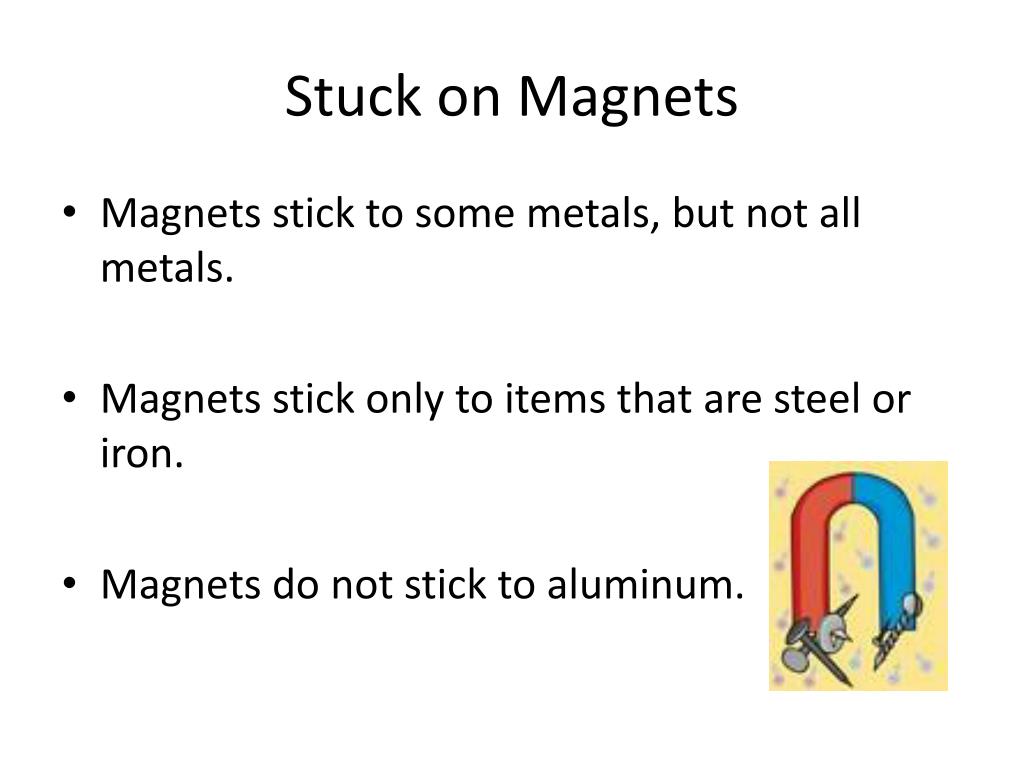
Figure 22.1.1 22.1. 1: Magnets come in various shapes, sizes, and strengths. All have both a north pole and a south pole. There is never an isolated pole (a monopole). All magnets attract iron, such as that in a refrigerator door. However, magnets may attract or repel other magnets. Experimentation shows that all magnets have two poles.
What Metals Do Stick To? BLOG THE WORLD OF
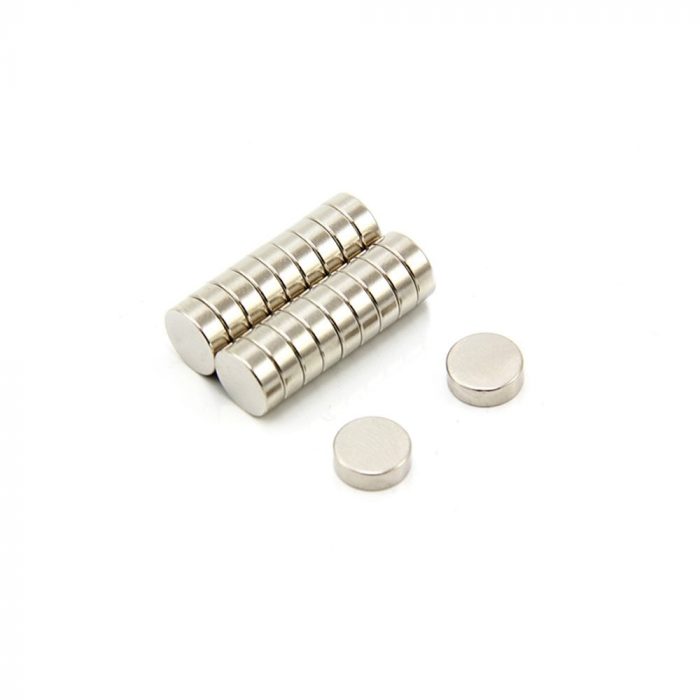
The easiest way to check is to place a magnet on the sheet. If it sticks, you've likely got a magnetic material like mild steel or carbon steel sheet. If you're working with a pre-painted or spray-painted surface, test an area where the paint is thin or left untreated, as thicker paint can sometimes affect the test.
How Work Super Simple
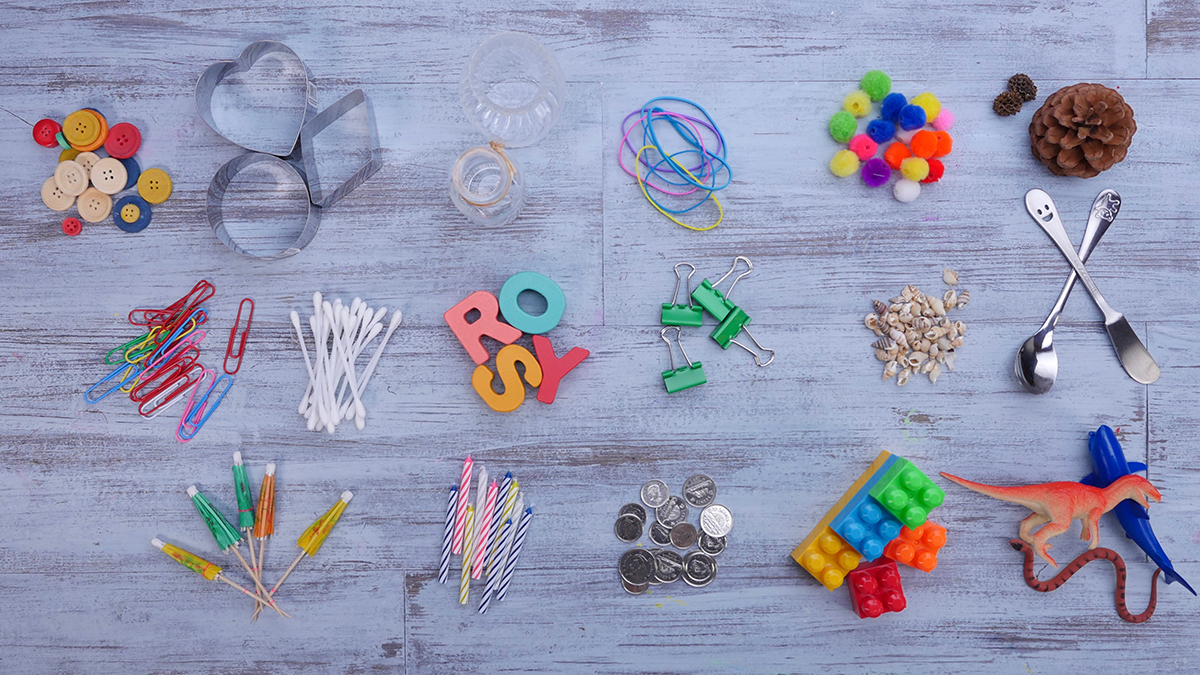
Vocabulary: magnet - a substance which has a magnetic field and is able to attract iron and steel. magnetic pole - one of the ends of a magnet where the field of the magnet is most intense. magnetic field - the area around a magnet in which magnetism can affect other objects. attract - to draw by a physical force.
What Is for Kids? My STEM Toys
However, many people are often curious about whether a magnet will stick to stainless steel. The answer is not straightforward, as it depends on the type of stainless steel and the strength of the magnet. Stainless steel is an alloy made up of iron, chromium, and other elements. The exact composition of the alloy determines its magnetic properties.
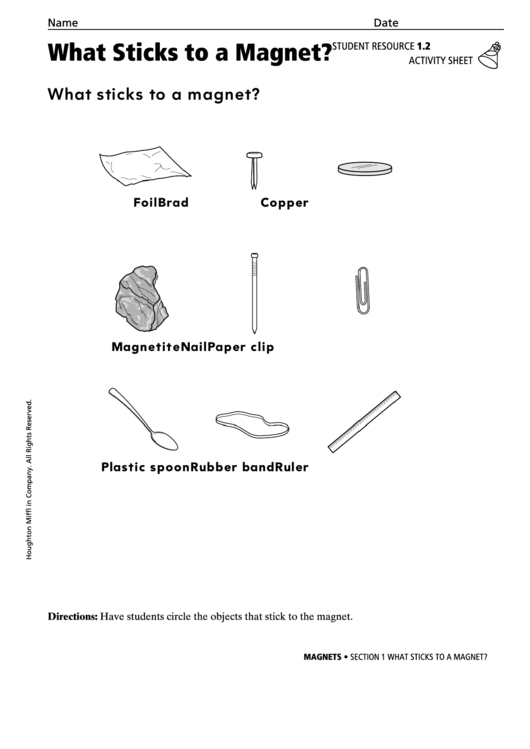
What Sticks To A Activity Sheet printable pdf download
A piece of ferritic stainless steel is typically unmagnetized. When subjected to a magnetic field, however, it will become magnetized and when this applied magnetic field is removed the steel.
vs vs

Conclusion. In summary, magnets stick to ferromagnetic metals like iron, nickel, and cobalt. They also have some attraction to paramagnetic metals like aluminum, platinum, and titanium. However, magnets are repelled by diamagnetic metals like copper, silver, and gold. Non-magnetic metals like lead, zinc, and tin have no magnetic properties and.
How to make Pyramid with Sticks and Balls Epic YouTube

Metals that naturally attract magnets are known as ferromagnetic metals; these magnets will firmly stick to these metals. For example, iron, cobalt, steel, nickel, manganese, gadolinium, and lodestone are all ferromagnetic metals. Some metals, including iron, are referred to as magnetically soft because they become strong temporary magnets when.
How To Create A Dr Bakst

Surfaces for magnets (also called holding surfaces) allow you to attach magnets anywhere you like. Some of these products can be screw-mounted, while others are self-adhesive and can be mounted without having to drill any holes. Besides those, there is also the option to create a suitable contact surface for magnets with magnetic paint.
Curious Kids How and why do stick together?
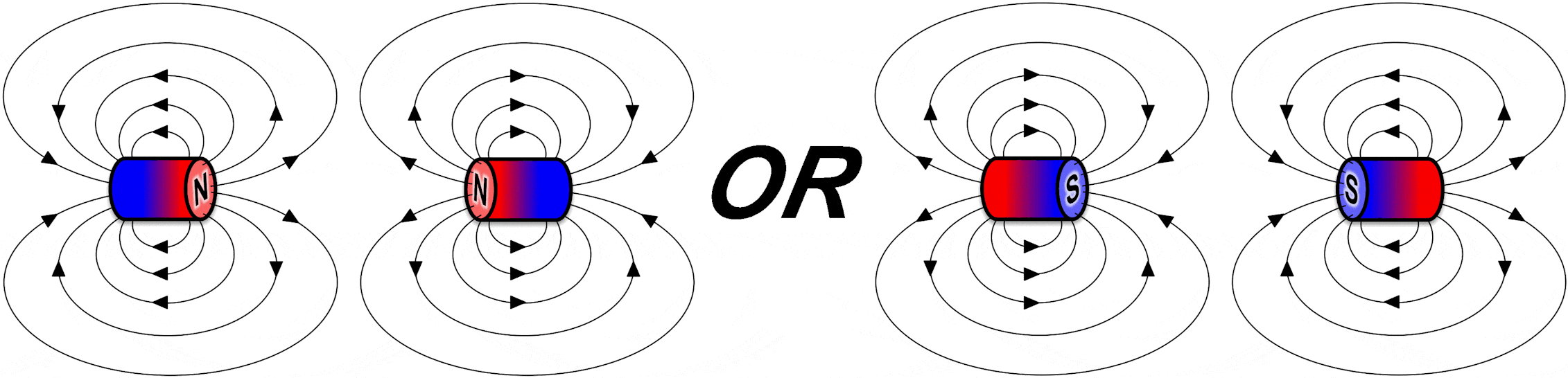
Yes. The magnet will induce a magnetic field in the metal and bond with it. The pole of the induced field will line up with the poles of the magnet. It might not be strong enough but it should stick. Getting a magnet that is strong enough might mess with the phone. As mentioned in the other replies, yes you can get magnets 'strong' enough to do.
PPT in Motion PowerPoint Presentation, free download ID342936

Metals that naturally attract magnets are known as ferromagnetic metals; these magnets will firmly stick to these metals. For example, iron, cobalt, steel, nickel, manganese, gadolinium, and lodestone are all ferromagnetic metals. Some metals, including iron, are referred to as magnetically soft because they become strong temporary magnets when.
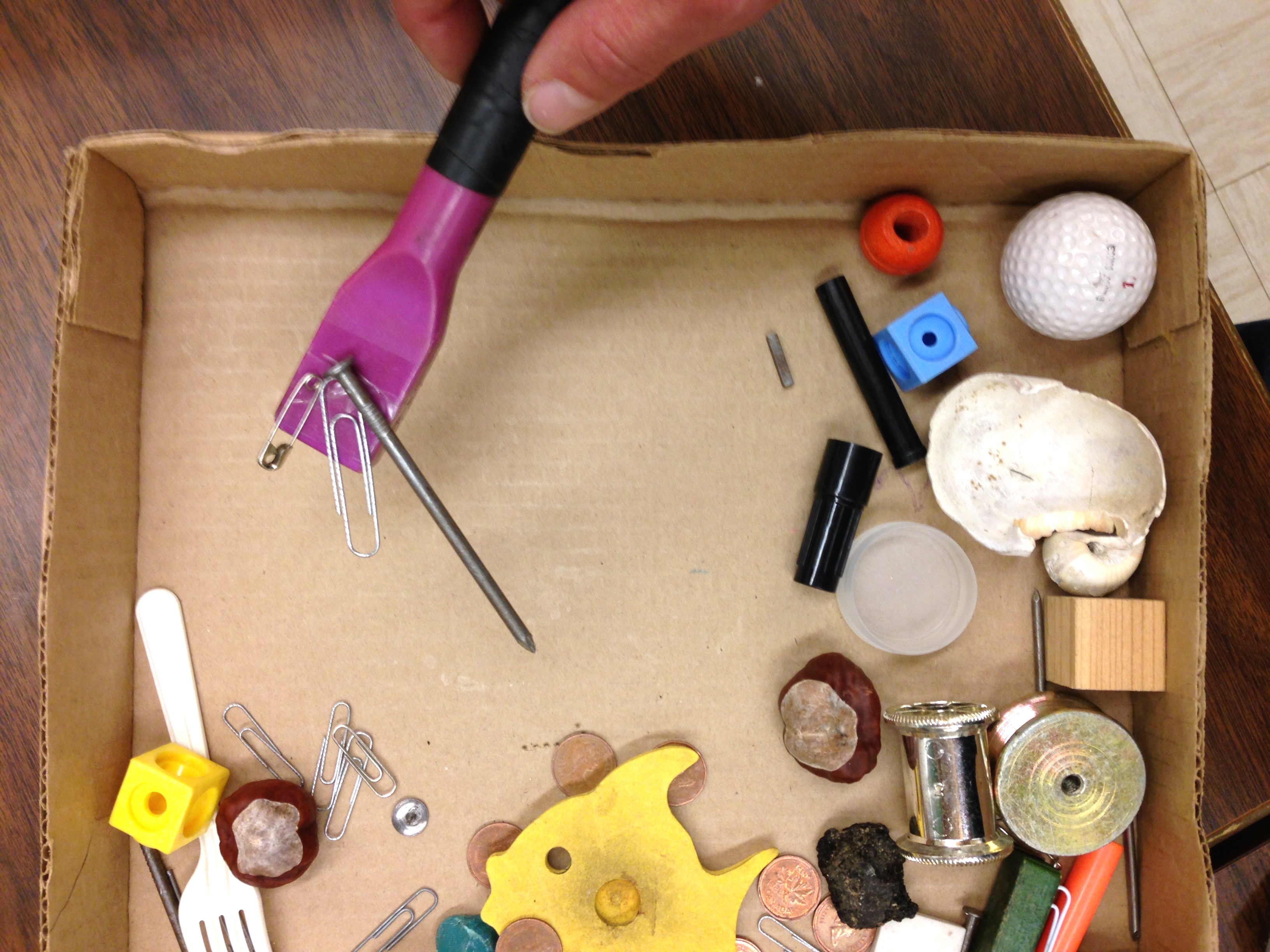
what sticks to them? ingridscience.ca
What Surfaces Do Magnets Stick To? Report this article Cici Huang Cici Huang Weizhong Magnetics - Manufacturer of magnetic assemblies with ISO9001, ISO14001, and ISO45001qualified by SGS.
.