
Biological Contaminants & 4 Sources of Biological Contamination
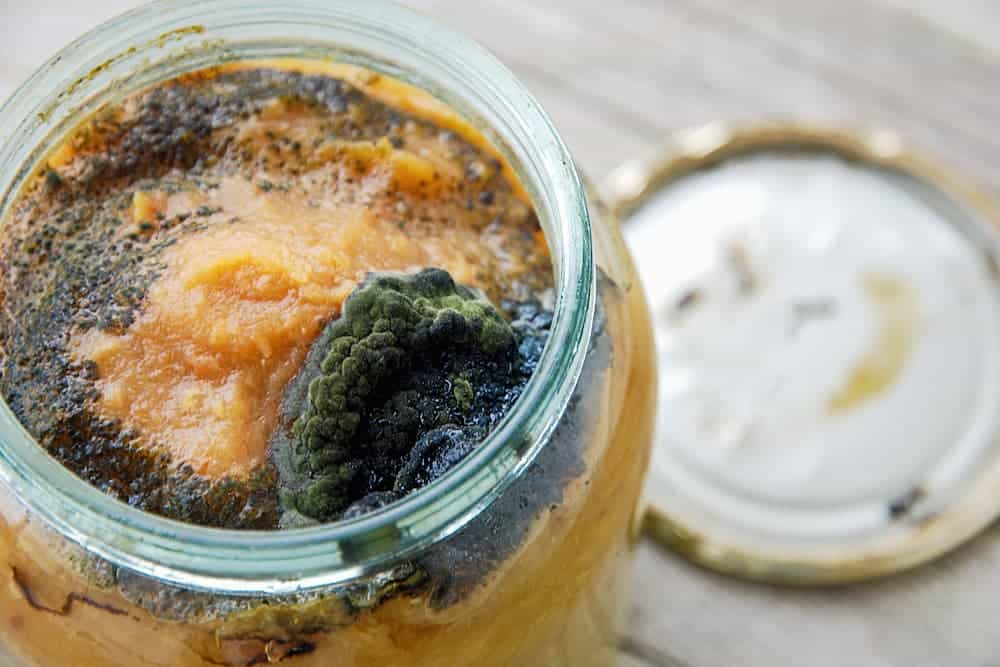
Introduction. Occurrence of mycotoxins is widespread throughout the world. Their acute and chronic dietary exposures can induce a variety of adverse health effects in humans and animals, making these chemically diverse substances highly relevant agricultural contaminants.. For the incidence of ZEN in contaminated food-crops across the world.
Food Safety & Quality Notes for IHM Students UNIT 7 FOOD CONTAMINANTS AND ADULTERANTS
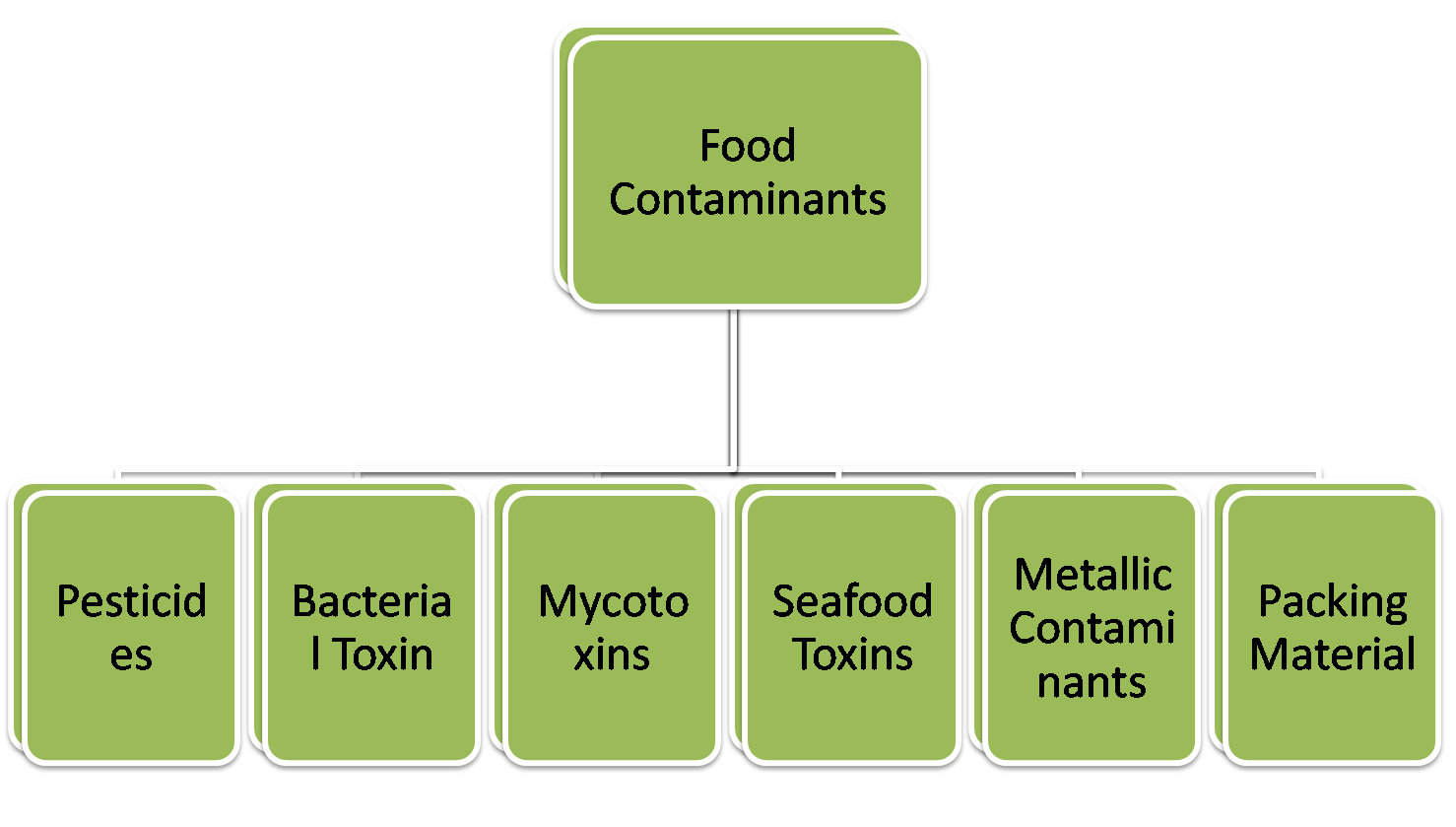
2. Occurrence and Toxicity of Major Mycotoxins. Mycotoxin contamination can occur pre-harvest when the crop plant is growing or post-harvest during processing, packaging, distribution, and storage of food products [7,21].Generally, all crops and cereals that are improperly stored under feverish temperature and prompting humidity for a prolonged time can be subject to mold growth and mycotoxin.
PPT BASIC INTRODUCTION TO FOOD HYGIENE PowerPoint Presentation, free download ID443658
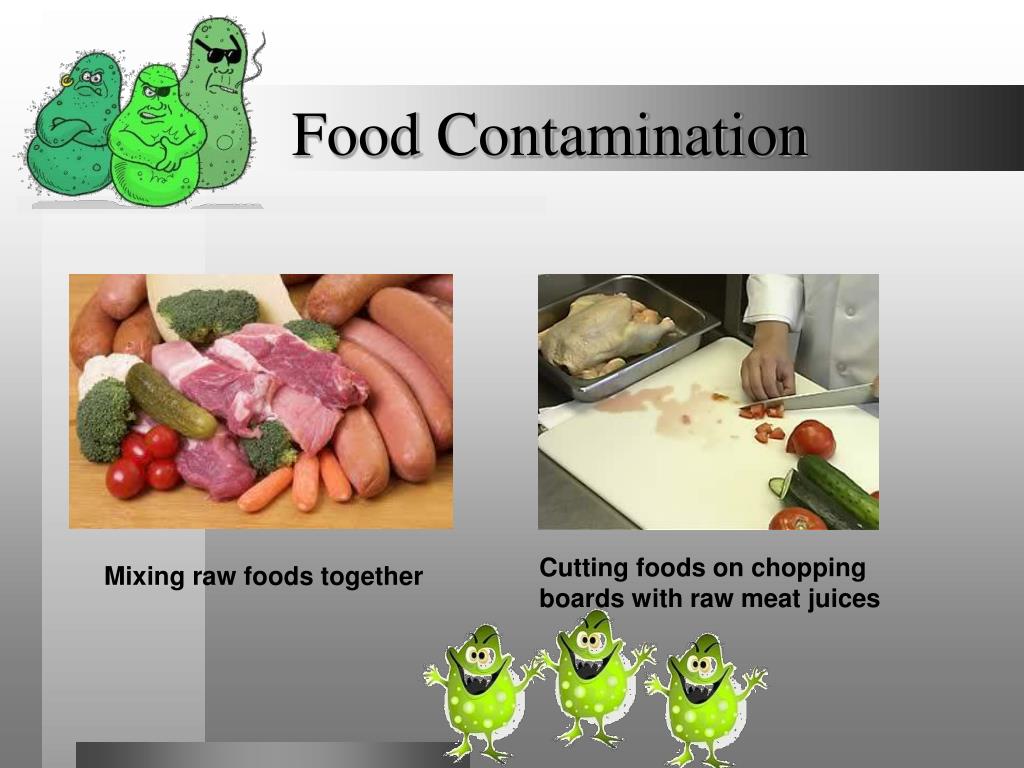
'Contaminant' is used in this standard and Standard 3.2.3. contamination means the introduction or occurrence of a contaminant in food. Contamination of food has occurred if any of the contaminants referred to above are present in the food. Food contamination can occur, for example, from:
4 Types Of Food Contamination / Tips O' Mania Food poisoning Cures at Tips O Mania A high
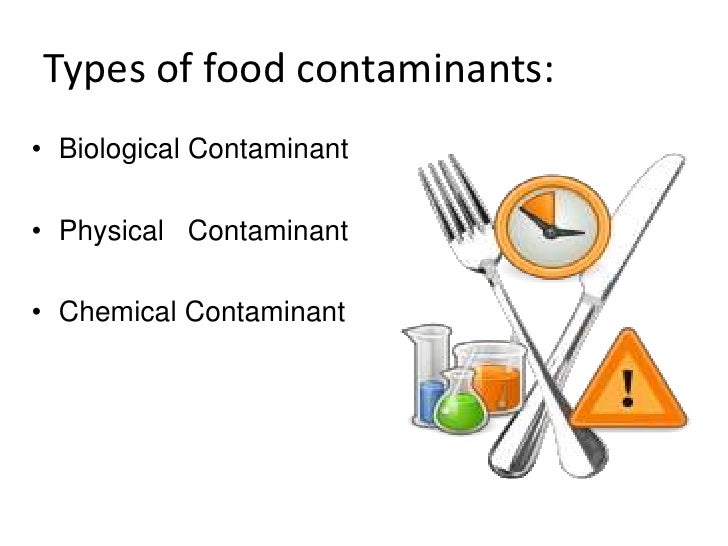
1. Introduction. Food-borne illnesses are prevalent in all parts of the world, and the toll in terms of human life and suffering is enormous. Contaminated food contributes to 1.5 billion cases of diarrhea in children each year, resulting in more than 3 million premature deaths, according to the World Health Organization (WHO).
Introduction to Chemical Food Hazards
3-Monochloropropane-1,2-diol (3-MCPD) is one of the most common food contaminants in processed oils which forms mostly during the deodorization step of edible oil refining process. It has been detected in many types of food products such as infant formula, margarine, bread and soy sauce, which could result in kidney and testicular damage. The presence of 3-MCPD contaminant have been occurring.
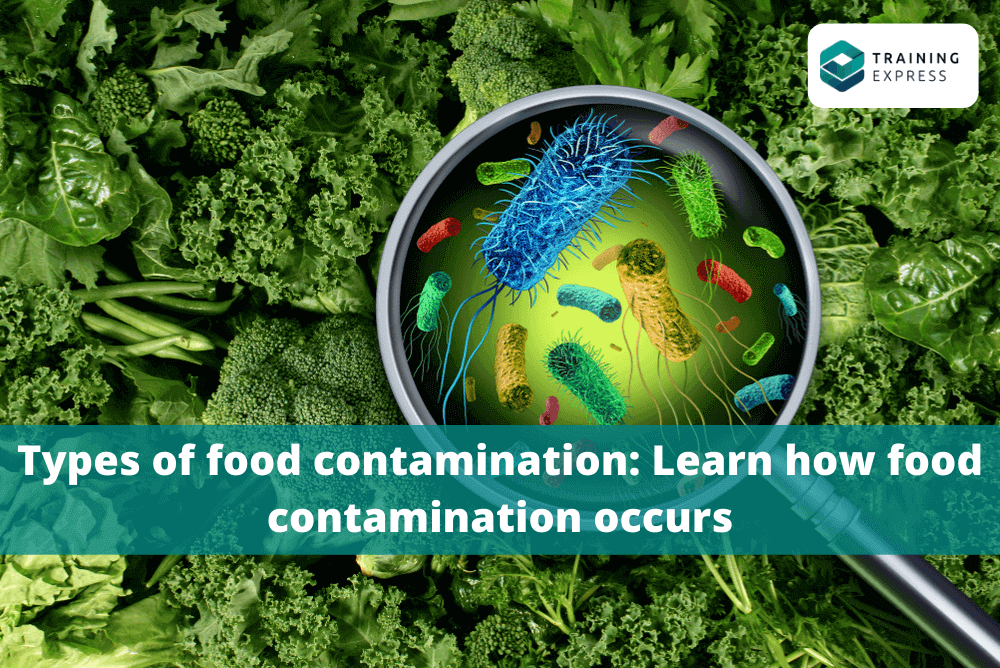
Types of food contamination Learn how food contamination occurs
Aim of review: This review comprehensively characterize the occurrence, impacts, and management of FUMs contamination across food production and supply chains. Pre- and post-harvest strategies to prevent FUMs contamination also are reviewed, with an emphasis on the potential applications and the mechanisms of major mitigation strategies.
Food Contaminant YouTube

contaminant means any biological or chemical agent, foreign matter, or other substances that may compromise food safety or suitability. contamination means the introduction or occurrence of a contaminant in food. equipment means a machine, instrument, apparatus, utensil or appliance, other than a single-use
Contaminants in the food chain Health facts, Infographic, Health screening

Contaminant means any biological or chemical agent, foreign matter, or other substances that may compromise food safety or suitability. (Standard 3.1.1) Contamination means the introduction or occurrence of a contaminant in food. (Standard 3.1.1) Environmental conditions means conditions under which certain food may be required to be stored.
Food Safety and Types of food Contaminations. YouTube

The reasons for food contamination. Food is a crucial contributor to human health well-being and a major source of worry, pleasures, and stress (Wilcock et al., 2004), with one of the reasons behind the stress and worry, are the diseases caused as a result of contaminated food.There are multiple reasons for the contamination of food (Ingelfinger, 2008).
Food Contamination PowerPoint Presentation Slides PPT Template
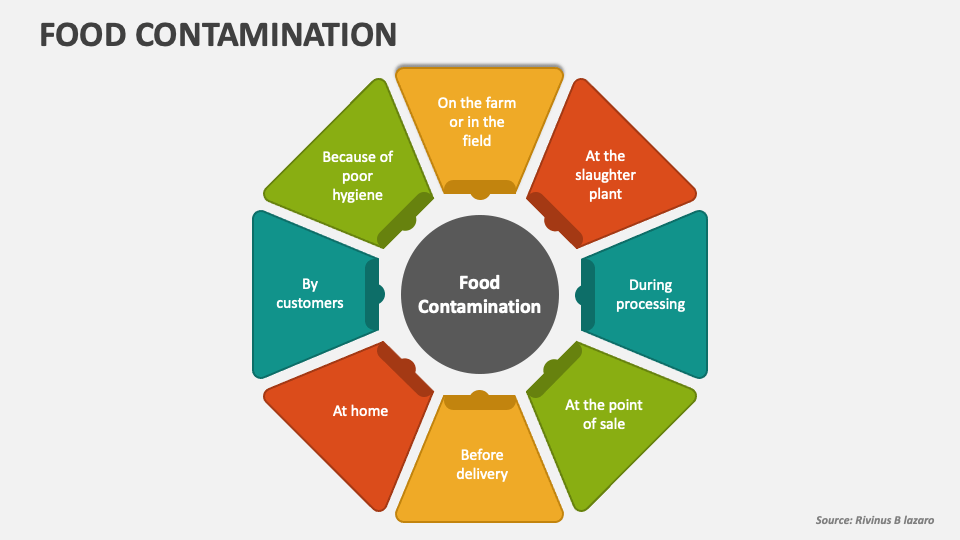
1.3 PRINCIPLES REGARDING CONTAMINANTS IN FOOD AND FEED 1.3.1 General Contamination of food and feed may pose a risk to human (and/or animal health). Moreover, in some cases they may also have a negative impact on the quality of the food or feed. Food and feed can become contaminated by various causes and processes.
Food Contaminants myTEST

contaminant means any biological or chemical agent, foreign matter, or other substances that may compromise food safety or suitability. contamination means the introduction or occurrence of a contaminant in food. equipment means a machine, instrument, apparatus, utensil or appliance, other than
Sources of food contamination Download Scientific Diagram

Therefore, data providers are strongly encouraged to adhere to the specific reporting requirements described in this document to avoid data rejection. 1. Mandatory and recommended data elements in the SSD. The SSD contains some 80 data elements (e.g. laboratory sample code, sampling year, sampling country, etc.).
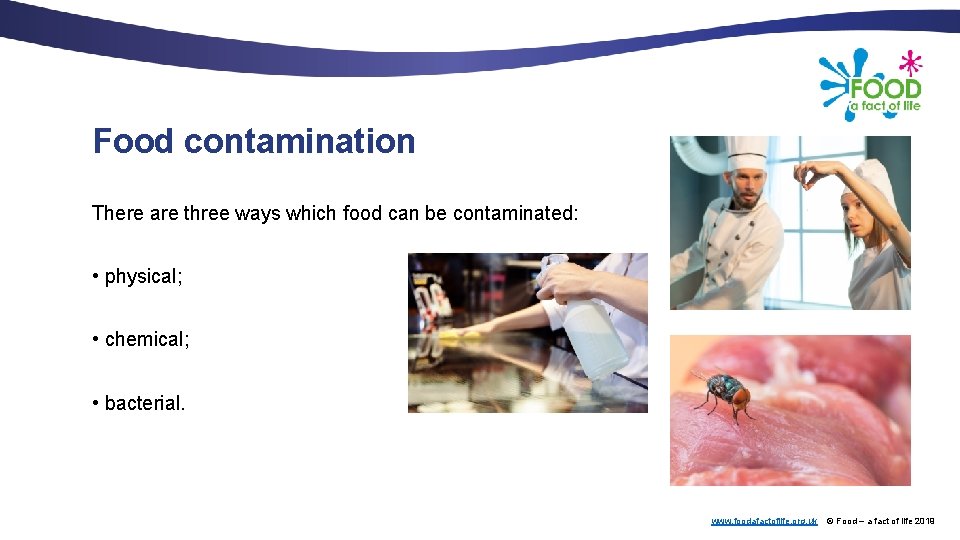
Food contamination and spoilage www foodafactoflife org uk
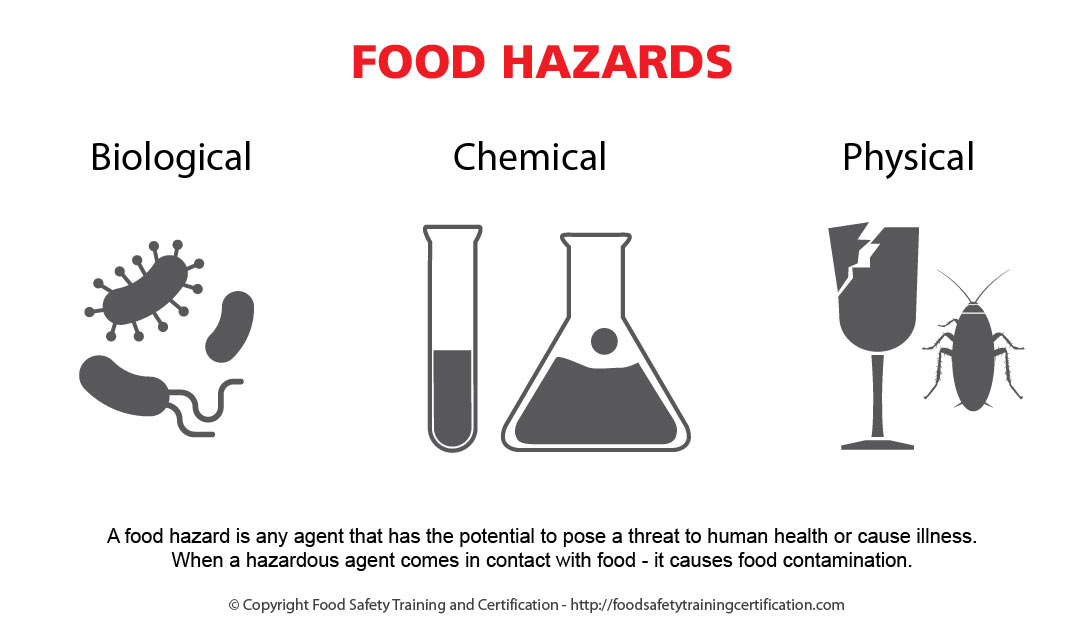
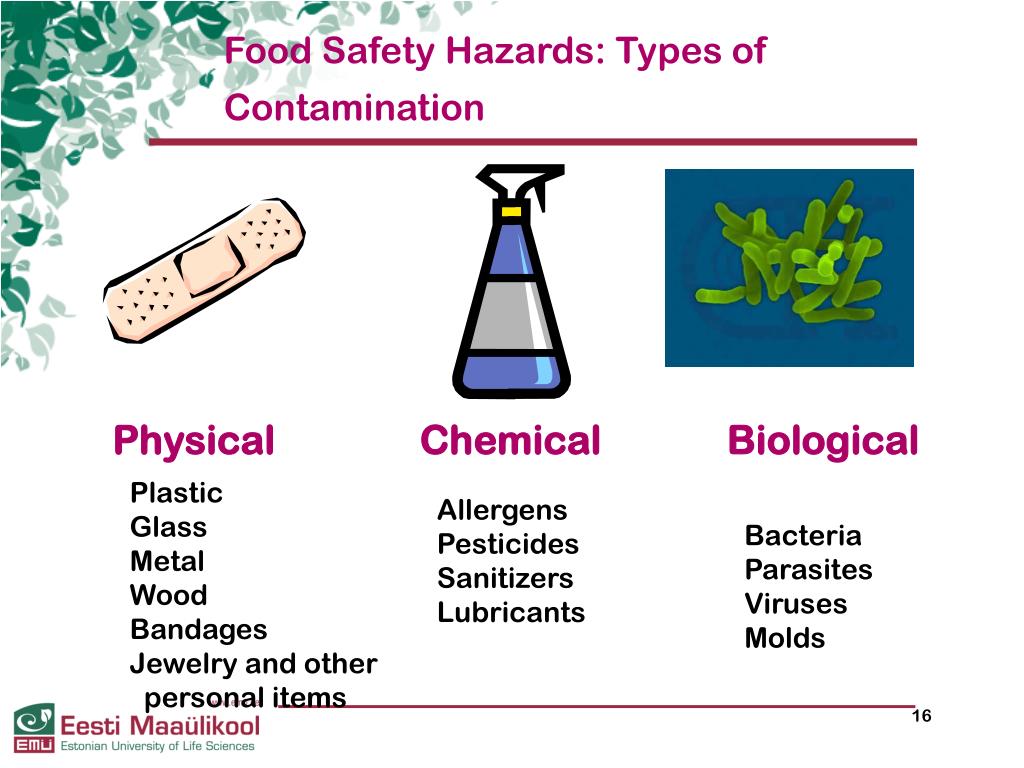
A food contaminant refers to any substance that is present in food and can potentially cause harm to consumers . Food contaminants may be biological, chemical, or physical in nature. They can be naturally occurring in the food material or introduced during food production, handling, or storage.
What Is An Example Of A Physical Contaminant Servsafe? Mastery Wiki
Apart from this preventive measure, the food supply could be contaminated by mycotoxins. In food grains treatment, dehulling is an important step, and this pre-milling itself reduces the mycotoxin contamination level (Sun et al., 2020). Appropriate pre- and post-harvesting approaches could be the best preventive measure.
SOURCES OF CONTAMINATION IN FOOD YouTube

The introduction or occurrence of a contaminant in food or food environment. Source: EUROSTAT. "contamination" means the presence or introduction of a hazard; Source: EURO-Lex. Introduction into or onto water, air, soil or other media of microorganisms, chemicals, toxic substances, wastes, wastewater or other pollutants in a concentration that.
(PDF) The Sources of Chemical Contaminants in Food and Their Health Implications
1. Introduction. Chemical contamination is a global food safety issue. There are many potentially toxic substances in the environment which may contaminate foods consumed by people. They include inorganic and organic substances and may originate from a wide range of sources (Figure 1 shows the pathway of contaminants through the environment.
.