
Spontaneous lens dislocation why it occurs, when, management, and other insights EyeWorld

Some cataract surgery side effects are normal. You might feel like your eye is dry or your vision is a little blurry, among other mild symptoms. If symptoms are severe or last longer than they should, you may have a complication that needs treatment. Talk to an eye doctor right away if:
CATARACT EVALUATION AND SURGERY PghEyeMeds

Lenses that are placed in the sulcus at the time of the original cataract surgery usually have some capsular compromise, so it is not uncommon for these IOLs to have sunset syndrome, a condition with inferior decentration in the sulcus. Subluxation. The lens can be subluxed, with either a haptic or an optic out of the bag.
Cataract Surgery Procedure Safety, Recovery, and Effects

An cataract surgery dislocation occurs when an implanted lens in one's eye shifts out of its correct position after or shortly after surgery, often as a result of damage to either its holding mechanism or cable that connects it to the eye. Most often this happens due to a breach in either its protective layer or cables attaching it directly.
Cataracts and Intraocular lenses Dr Tom Cunneen Eye Surgery Perth

Symptoms. A dislocated lens often causes blurred vision. The amount of blurring depends on the extent of the detachment and dislocation. A partially detached lens may not cause any symptoms. When the ligaments that support the lens are damaged, the iris (the circular structure that gives the eye its color) also may lose support and may quiver.
Intraocular Lens (IOL) Precision Eye Cataract and Laser Eye Surgery Optometrist

Bloodshot or red eye after cataract surgery. A red or bloodshot eye after surgery is very common. It is normally caused by inflammation and/or a broken blood vessel, also known as a subconjunctival hemorrhage. This can create a scary-looking red spot on the eye, but it is usually harmless and heals on its own.
Dislocated cataractous lens American Academy of Ophthalmology
The most common thing you may notice with a dislocated lens after cataract surgery is a sudden decrease in vision. But some other symptoms such as double vision are possible. This can occur at ANY time after cataract surgery - from months to years to even decades out. Fortunately this is rare, but certain individuals will be at a higher risk.
Dislocated Intraocular Lens Following Cataract Surgery Board Certified Eye Doctors
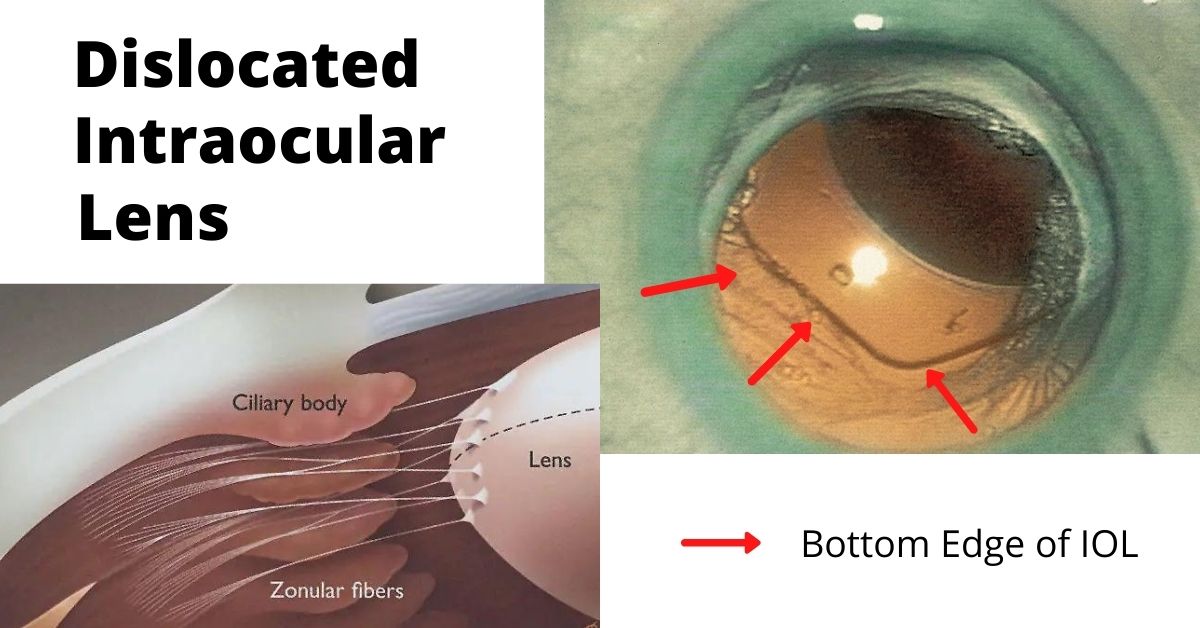
What does a dislocated lens feel like? Most dislocated lenses cause issues with your eyesight, rather than pain. Most people experience blurred vision, double vision, or are even able to see the edge of the IOL as it intrudes across the eye. However, other, rarer, symptoms can occur in conjunction with the dislocated lens. These include: Bleeding.
Symptoms Of a Dislocated Lens After Cataract Surgery Learn to Avoid Edomnia

Cataract surgery is a procedure to remove the lens of the eye and, in most cases, replace it with an artificial lens. A cataract causes the lens to become cloudy when it is typically clear. Cataracts can eventually affect vision. Cataract surgery is performed by an eye doctor, also called an ophthalmologist.
Dislocated Lens Implants Sarasota & Manatee County, FL
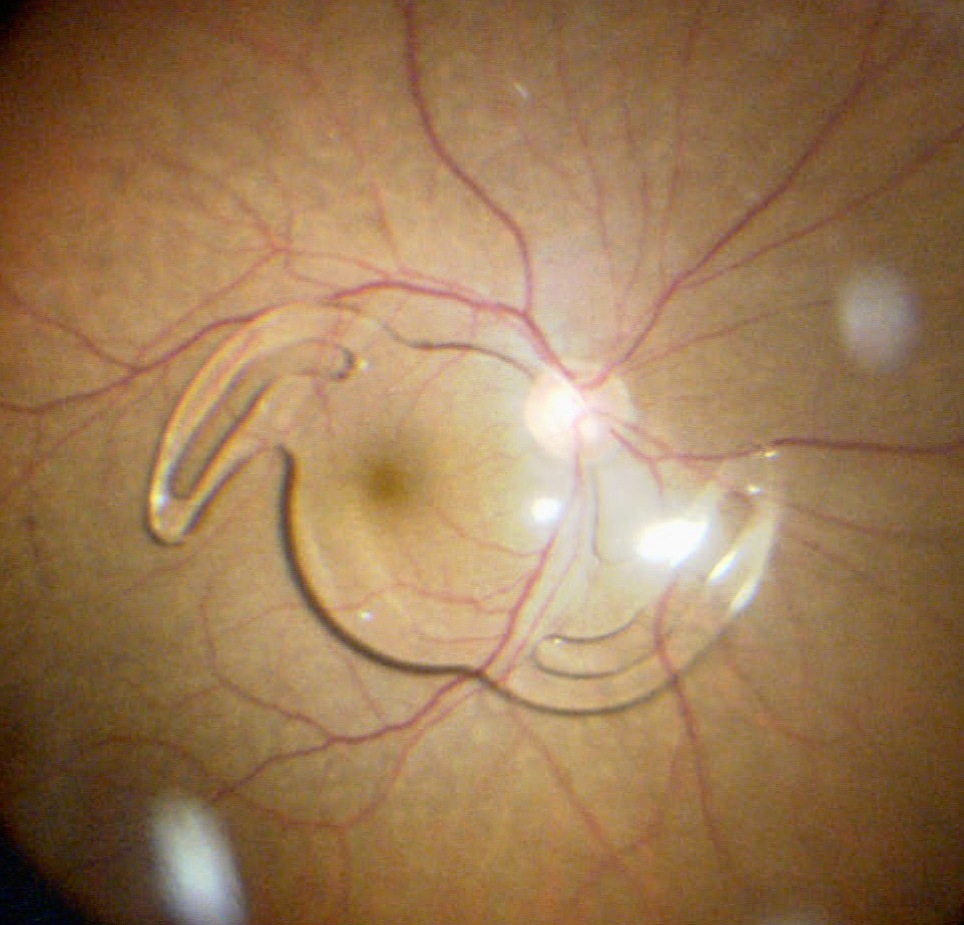
A dislocated intraocular lens (IOL) after cataract surgery is rare and occurs in less than 3% of cases, but it can be a serious complication that may require surgery to repair.. and complicated original cataract surgery. Symptoms Dislocated Intraocular Lens. The most common symptom is a change in vision. The change in vision depends on how.
Lens dislocation Mayo Clinic
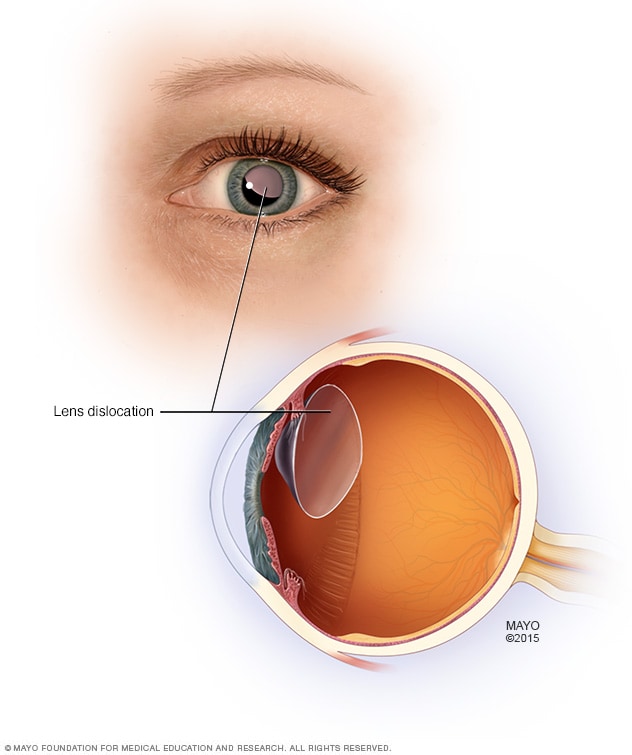
Symptoms of lens dislocation include blurry vision, eye pain, and seeing halos. Cataract surgery is one of the most common surgical procedures performed worldwide. During cataract surgery, your cloudy natural lens (cataract) is removed and replaced with an artificial intraocular lens (IOL). Cataract surgery is safe and effective, but it's.
Symptoms Of Dislocated Lens After Cataract Surgery Vision Knowledge Hub

In contrast, posterior dislocation usually involves comanagement with a vitreoretinal surgeon for consideration of vitrectomy and removal of the dislocated lens or IOL through a pars plana approach. If the posteriorly dislocated crystalline lens is intact, it may be observed in some cases. Some eyes with posteriorly dislocated lens or IOL.
Clinicopathologic Correlation of Lens Epithelial Metaplasia and Late Intraocular Lens

An intraocular lens implant is usually placed in the eye after cataract surgery and may occasionally become malpositioned or dislocated. This may occur as the result of trauma at the time of surgery, previous trauma to the eye that damaged the natural lens or becasue of a systemic disease.. Signs and Symptoms. Signs of a dislocated.
Dislocated Lens After Cataract Surgery

In conclusion, this review revealed that late in-the-bag IOL dislocation occurs on average almost 10 years after cataract surgery with a cumulative incidence of 0.5% to 3%. PEX, myopia, and previous vitreoretinal surgery are important predisposing conditions, and several studies have found an association with glaucoma.
Symptoms Of Dislocated Lens After Cataract Surgery Vision Knowledge Hub

lens. In some situations, this extremely thin capsular bag or the fibers that hold it in place rupture and the IOL support is compromised. Dislocation of the IOL can occur days to years after surgery and can be a result of factors during the original surgery, trauma to the eye, or diseases that affect the stability of the capsular bag.
Crystalline Lens and Cataract by Joah F. Aliancy and Nick Mamalis Webvision
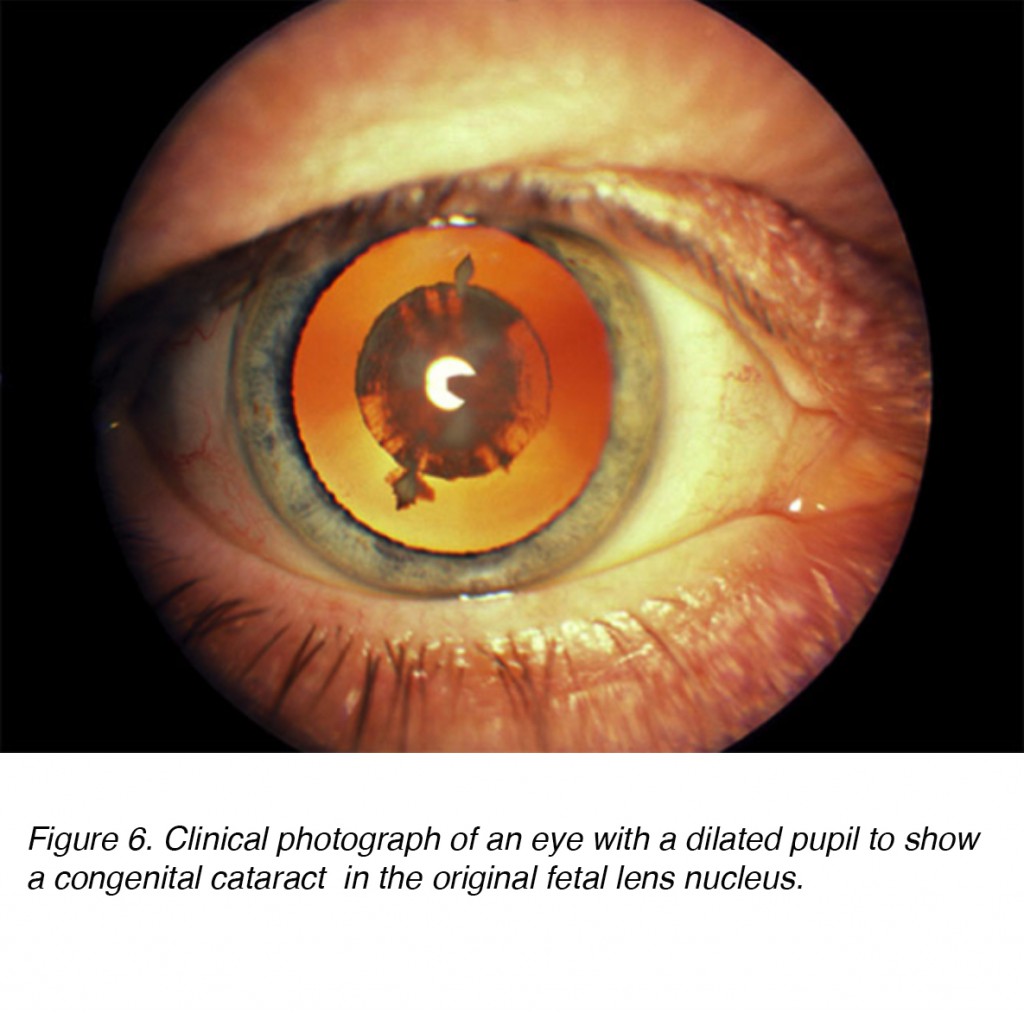
A dislocated intraocular lens (IOL) after cataract surgery is rare and occurs in less than 3% of cases, but it can be a serious complication that may require surgery to repair. The image on left displays the thread-like fibers, called zonules, that hold the lens in place. They attach to the outer capsule or shell of the lens.
Key Symptoms Of Dislocated Lens After Cataract Surgery EyeMountain
A dislocated lens after cataract surgery is pretty rare, affecting anywhere between 0.5%-3% of people who undergo the procedure. It can occur at any time after the operation—from mere days through to many afterward.. Symptoms of this include: A dark curtain intruding across your field of vision. The appearance of floaters. Bright flashes.
.