
PPT Sociology SOCI 20182 Demography of Russia and the Former Soviet Union PowerPoint
The following is a summary of censuses carried out in the Soviet Union: Year Territory (km 2) Total population Rank Density per km 2 Change Urban population Share Males Share Females Share Largest city Second largest city Third largest city Ethnic Russians Share Ethnic minorities Notes 1926. 21 176 187 147 027 915 3rd. 6.94 7.5% 26 314 114
Population transfer in the Soviet Union Alchetron, the free social encyclopedia
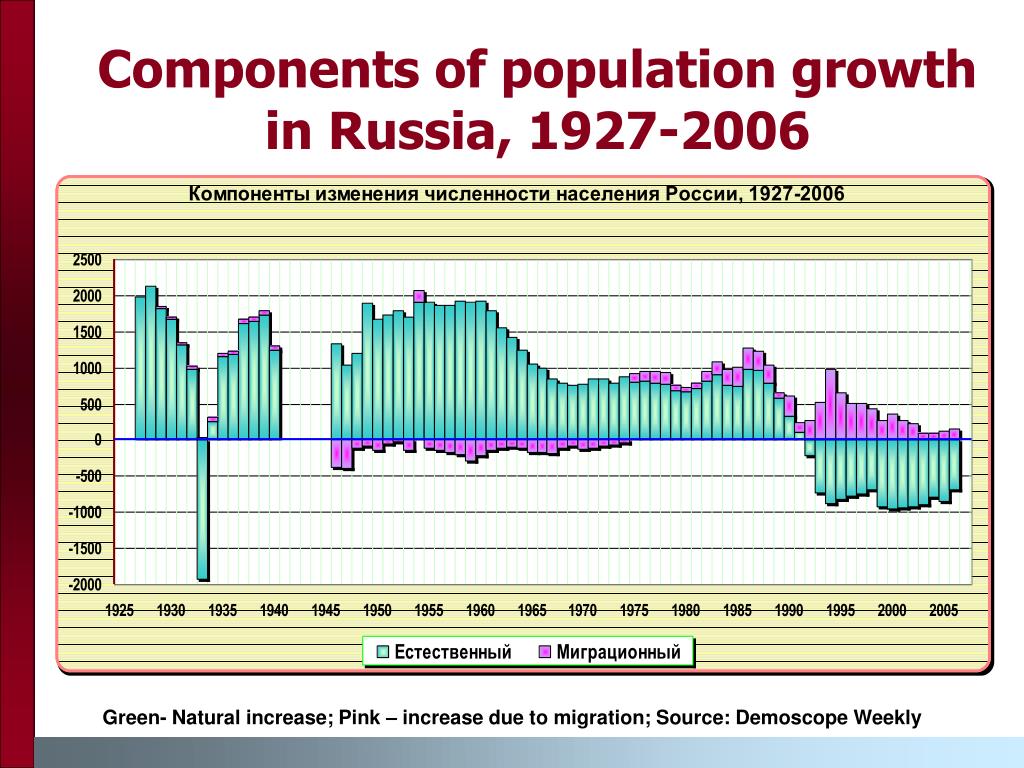
This chapter provides: (1) an overview of the statistical systems and methods of maintaining population statistics in the Russian Empire, the Soviet Union and the Russian Federation: (2) population statistics in territorial units comparable to the Russian Federation based on primary materials; and (3) a general view of long-term population dynamics from the late imperial era to the new Russian.
PPT Sociology SOCI 20182 Demography of Russia and the Former Soviet Union PowerPoint

Population of the Soviet Union and Russia 1940-1955. Due to the devastating impact of the Second World War on the Soviet population, the total population in 1950 was almost 15.5 million fewer than.
Former Soviet Union Countries Population Growth (1981 2018) YouTube

2 The rates referred to in these assumptions are from F. Lorimer, "The Population of the Soviet Union: History and Prospects" (Geneva: League of Nations, 1946), p. 254-255.. 000,000 persons out of the population alive in 1940, to which must be added the 20,000,000 who were not born or did not sur
Maps of Soviet Union

* Based on data and analysis in The Population of the Soviet Union: History and Prospects, by the same author, to be published in I944, among. five percent of the whole Soviet population was under 20 years of age in 1940. The cor-responding proportion will presumably be less in future years, but it is unlikely to
20th century Why did the Soviet Union's economy grow fast in the 1950's1960's? History

The Future Population of Europe and the Soviet Union: Population Projections, 1940-1970.Frank Notestein . Imre Ferenczi
Average annual rates of growth of the Soviet population and four major... Download Scientific
Russian estimates suggest that the total population of the Soviet Union in 1941 was 195.4 million people, before it fell to 170.5 million in 1946 due to the devastation of the Second World War.
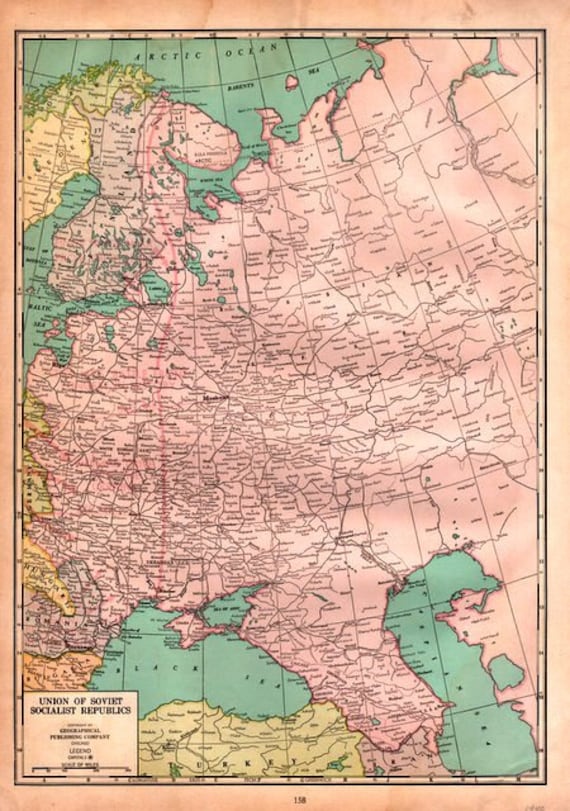
1940 Detailed Map of the Union of Soviet by catchingcanaries
The Soviet occupation of Bessarabia and Northern Bukovina took place from 28 June to 3 July 1940, as a result of an ultimatum by the Soviet Union to Romania on 26 June 1940, that threatened the use of force. [3] Those regions, with a total area of 50,762 km 2 (19,599 sq mi) and a population of 3,776,309 inhabitants, were incorporated into the.
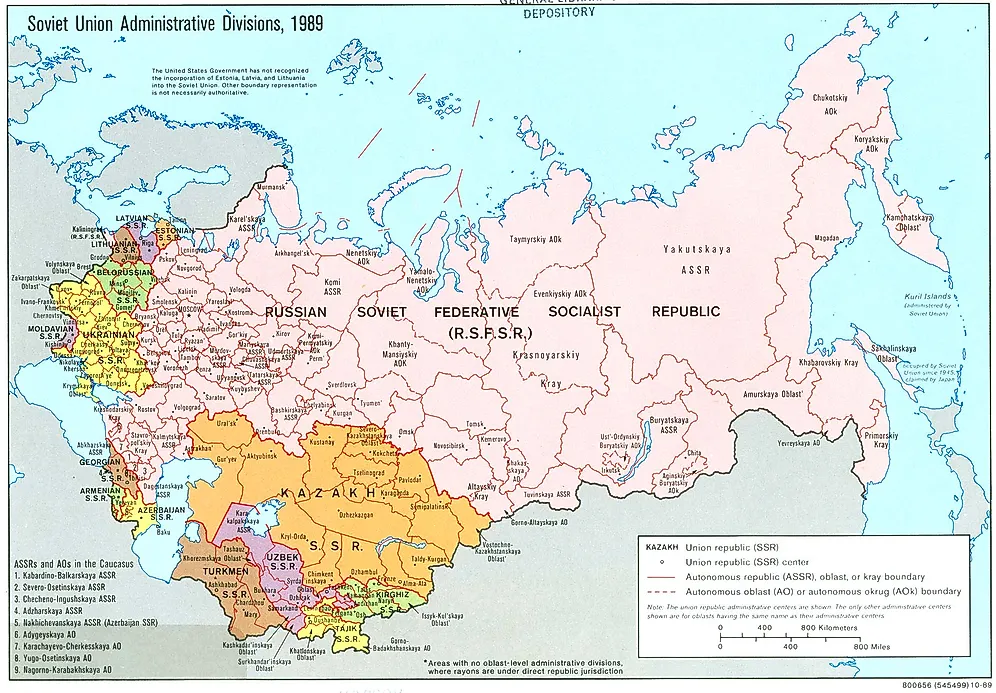
Present Day Countries That Once Comprised The Soviet Union (USSR)
The 1939 Soviet census (Russian: Всесоюзная перепись населения 1939, romanized: Vsesoyuznaya perepis naseleniya 1939, lit. '1939 All-Union Census'), conducted from January 17 to January 26, succeeded the 1937 Soviet census that was declared invalid. It happened only two years after the previous census, due to the failure of the preceding one.
Former Soviet Union States Map
The Union of Soviet Socialist Republics (USSR), also known as the Soviet Union, was officially established in 1922 in the aftermath of the Russian Civil War. During its foundation, the world's.
Soviet Union Population by Countries 1937 1989 YouTube
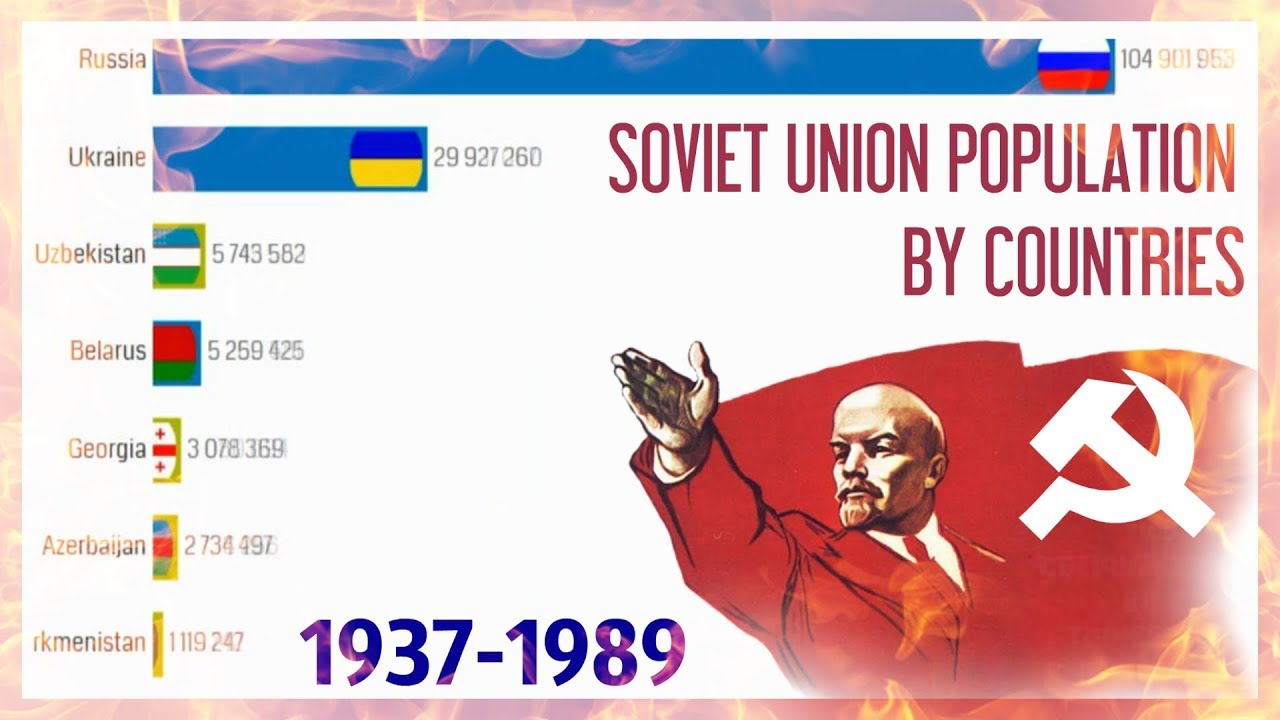
During the period of its existence, the Union of Soviet Socialist Republics was by area the world's largest country. It was also one of the most diverse, with more than 100 distinct nationalities living within its borders.The majority of the population, however, was made up of East Slavs (Russians, Ukrainians, and Belorussians); these groups together made up more than two-thirds of the total.
Sixth AllUnion Census Images Seventeen Moments in Soviet History

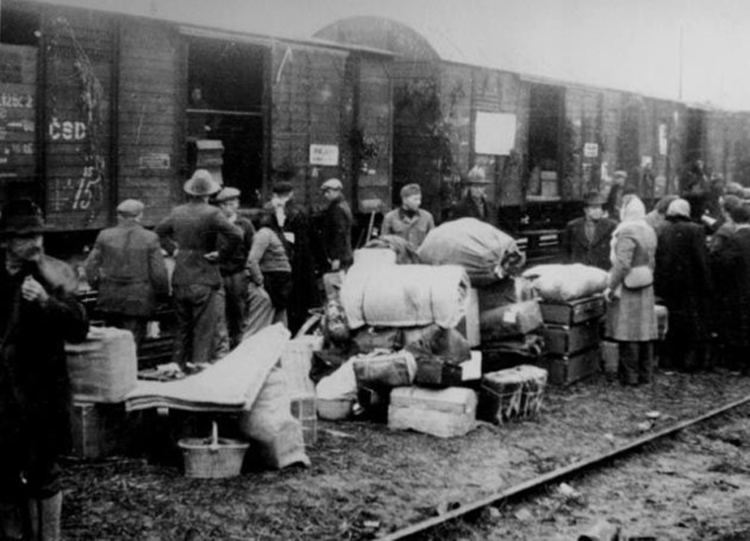
Population transfer in the Soviet Union. Russia. From 1930 to 1952, the government of the Soviet Union, on the orders of Soviet leader Joseph Stalin under the direction of the NKVD official Lavrentiy Beria, forcibly transferred populations of various groups. These actions may be classified into the following broad categories: deportations of.
The Lands of the Russian Empire, Soviet Union, and Independent States (“Eurasia”) презентация
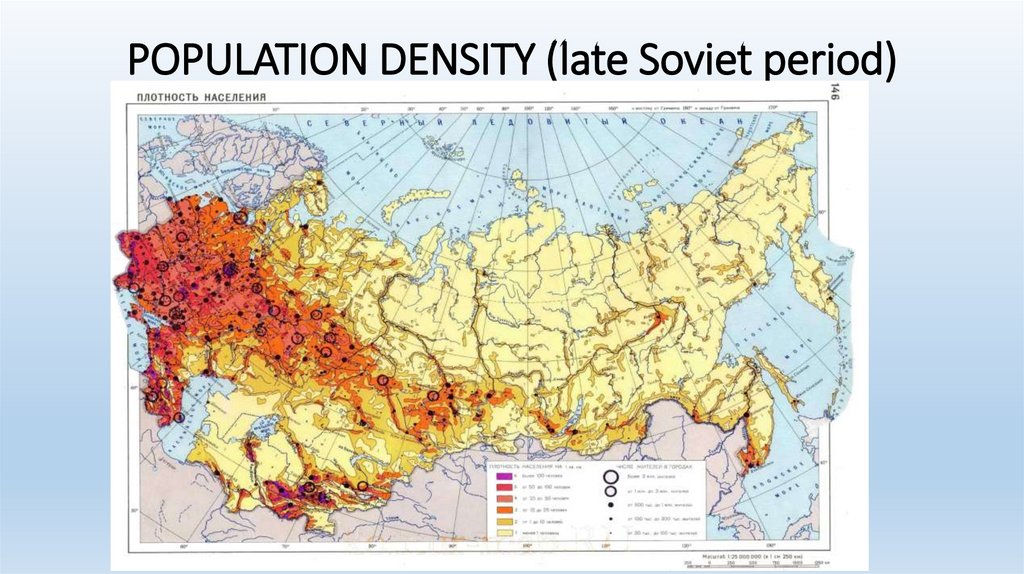
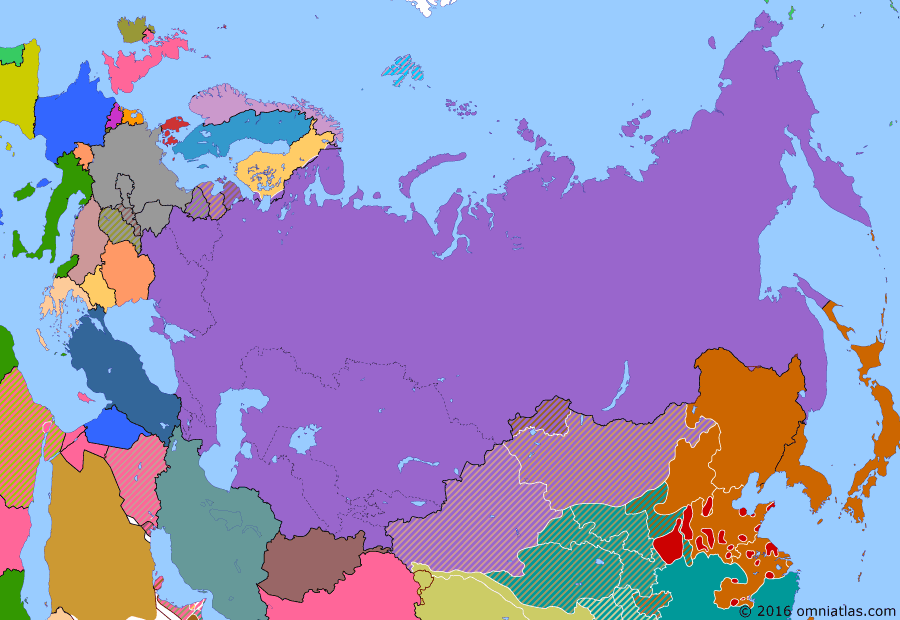
The Soviet Union, or U.S.S.R., was made up of 15 countries in Eastern Europe and Asia and lasted from 1922 until its fall in 1991.. Between 1928 and 1940, Stalin enforced the collectivization.
A Tale of Two Demographics Pyramids

The census would be re-run in January 1939. 42. The calculations behind the decision to discard the 1937 census remain uncertain. The decision meant that Stalin did not have to accept in public that the population of the USSR was around 162 million. Still, there were other options short of cancellation.
Antologie Zábava Udýchaný ussr 1940 map Stádo mistr unavený
During the Second World War on the Eastern Front, the Soviet Union lost an approximate at this time the population started to look more like a pyramid 26.6 million people. [citation needed]Rejuvenation of the population, 1946-1960s Population pyramid of the Soviet Union in 1950. After the Second World War, the population of the Soviet Union began to gradually recover to pre-war levels.
Average annual rates of growth of the Soviet population and four major... Download Scientific

In 1940 the Soviet government published a preliminary tabulation from the 1939 All-Union Census showing the distribution of 99.44 per cent of the population among certain age classes, but with no indication of the sex ratios of the population within these age classes. (See Table 1A.) A tabulation for the entire population
.