
Basilica of the Holy Blood, Bruges, Belgium Editorial Photography Image of blood, cathedral

Traveling to Bruges: Bruges is about 60 miles west of Antwerp (or Brussels). There are frequent trains from Brussels and the trip takes about one hour. The Basilica is located on Burg square. Address: Basilica of the Holy Blood Burg 13, 8000 Brugge. GPS coordinates: 51° 12′ 29.2824" N, 3° 13′ 35.5620" E. Tel: (+32) 0- 50 33 67 92.
Basilica of the Holy Blood aka Basiliek van het Heilig Bloed YouTube

Basilica of the Holy Blood, Burg 13, 8000 Brugge, Belgium. 9:00 to 12:00, 14:00 to 17:00. All seasons. Basilica: free. Museum: Adults 2,50€, Kids (under 12) free. Open everyday from 10:00 to 17:00, except on Sunday morning. Sunday Mass is streamed online. Check their website for more information. Tucked away in the centre of Bruges, this 12.
Basilica of the Holy Blood, Bruges, Belgium. Editorial Photo Image of city, historic 173263076

The Basilica of the Holy Blood is a Roman Catholic basilica in Bruges, Belgium. The church houses a relic of the Holy Blood allegedly collected by Joseph of Arimathea and brought from the Holy Land by Thierry of Alsace, Count of Flanders. Built between 1134 and 1157 as the chapel of the Count of Flanders, it was promoted to a minor basilica in 1923.
Basilica of the Holy Blood

Others noted that you cannot photograph the relic of Christ's blood. The basilica is located just east of the Belfry . It is open daily from 9:30 a.m. to 12:30 p.m. and from 2 to 5:30 p.m. The.
Main altar of the Basilica of the Holy Blood in Bruges, Belgium Stock Photo Alamy
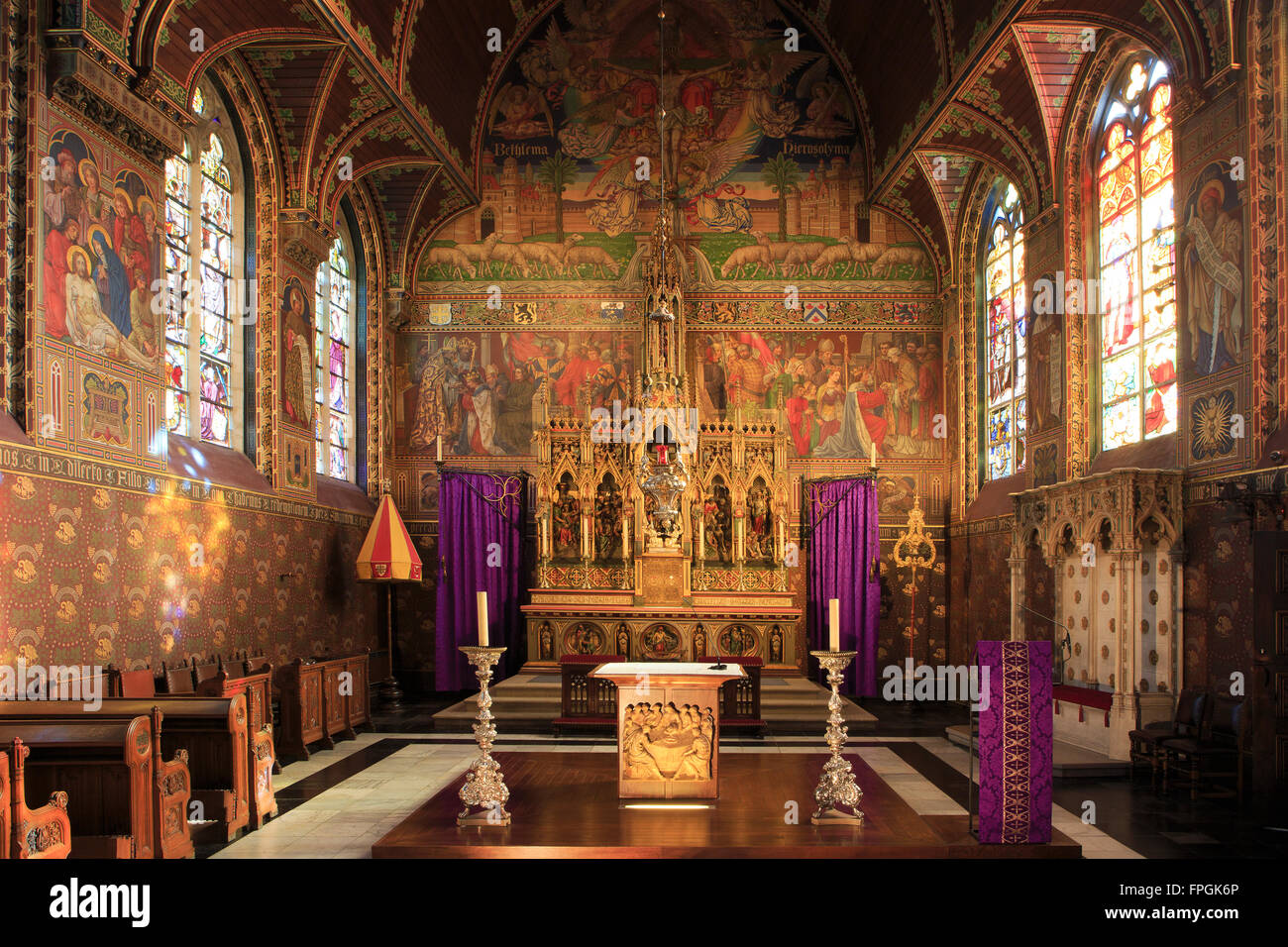
Interior of the Basilica of the Holy Blood in Bruges, Belgium (Jose Ignacio Soto / Adobe Stock) The Chapel of Saint Basil was constructed to house a relic belonging to Saint Basil the Great, a 4th century Doctor of the Church and Bishop of Caesarea Mazarca (known today as Kayseri, in modern-day Turkey). The saint's relic was acquired by.
Basilica of the Holy Blood, Burg Square, Bruges Brugge, Belgium, Europe Stock Photo Alamy
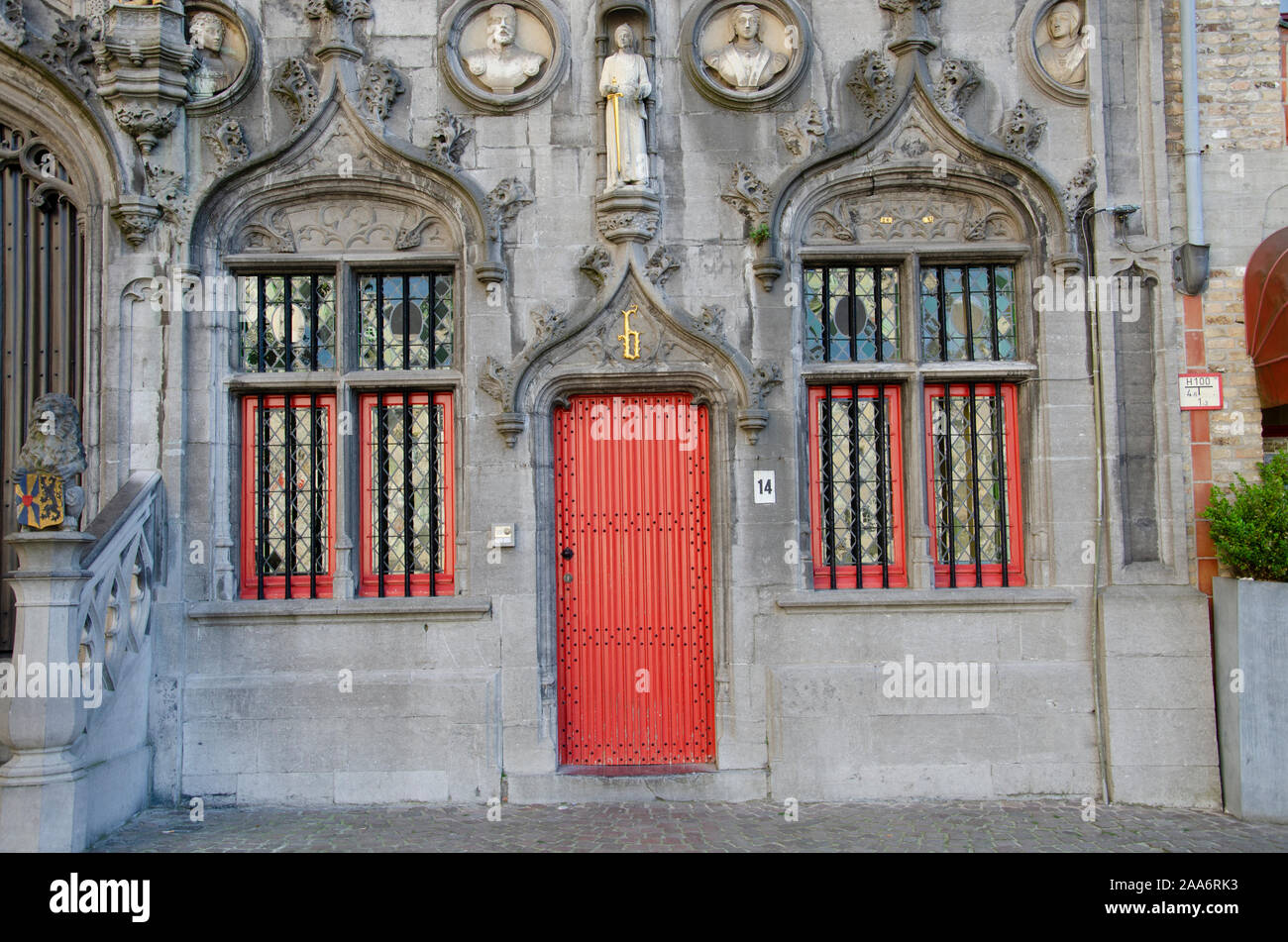
Sept 2023 • Couples. Basilica of the Holly Blood located on Burg Square and consists from two important parts - lower and upper chapels (free entrance for both) plus Treasury museum (cost 5 euros). This church is famous for its relic of the blood of Christ, which, according to tradition, was brought to Bruges in 1150.
Basilica of the Holy Blood, Bruges, Belgium Stock Photo Alamy
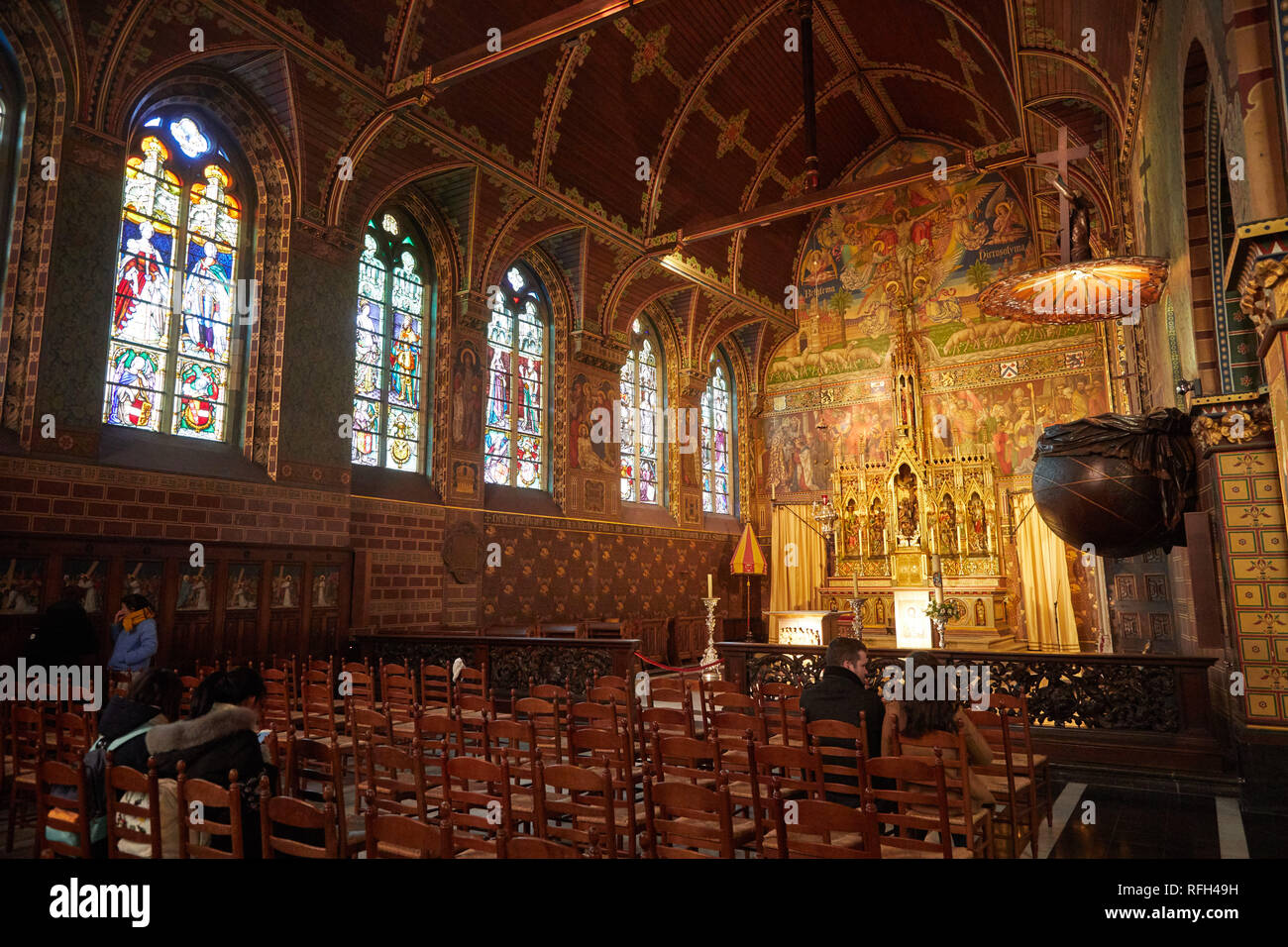
Basilica of the Holy Blood and its collection. The Museum of the Holy Blood tells the story of the relic of the Holy Blood that Count Thierry of Alsace is said to have brought with him from the Holy Land (1150). Showpiece of the museum is the reliquary of the Holy Blood, made by the Bruges goldsmith Jan Crabbe (1617), with thirty kilos of gold.
Basilica Of The Holy Blood Brugges, Tempat Darah Kristus Disimpan Di Belgia Tour ke Eropa

Basilica of the Holy Blood. 5,169 reviews. #9 of 190 things to do in Bruges. Historic SitesArchitectural BuildingsReligious Sites. Closed now. 9:30 AM - 12:30 PM, 2:00 PM - 5:30 PM. Write a review. About. This chapel contains a phial that reputedly contains Christ's blood brought back from the Crusades.
Visit Basilica of the Holy Blood (HeiligBloedbasiliek) in Bruges Live the World

The Basilica of the Holy Blood (Dutch: Heilig-Bloedbasiliek, French: Basilique du Saint-Sang) is a Roman Catholic basilica in Bruges, Belgium.The church houses a relic of the Holy Blood allegedly collected by Joseph of Arimathea and brought from the Holy Land by Thierry of Alsace, Count of Flanders.Built between 1134 and 1157 as the chapel of the Count of Flanders, it was promoted to a minor.
The Story Behind Bruges’ Basilica of the Holy Blood

The Holy Blood Basilica in Bruges, Belgium, is a must-visit for history and religious enthusiasts. The church, dedicated to the Holy Blood relic, is considered one of the most important shrines in Europe. The Basilica dates back to the 12th century and has been a popular pilgrimage site for centuries. Visitors to the Basilica will be struck by.
Basilica Of The Holy Blood Brugge Belgium Photograph by NinaRosa Duddy

The Basilica of the Holy Blood (Dutch: Heilig-Bloedbasiliek, French: Basilique du Saint-Sang) is a Roman Catholic basilica in Bruges, Belgium. The church houses a relic of the Holy Blood allegedly collected by Joseph of Arimathea and brought from the Holy Land by Thierry of Alsace, Count of Flanders. Built between 1134 and 1157 as the chapel of.
Basilica of the Holy Blood (Bruges) Tripadvisor
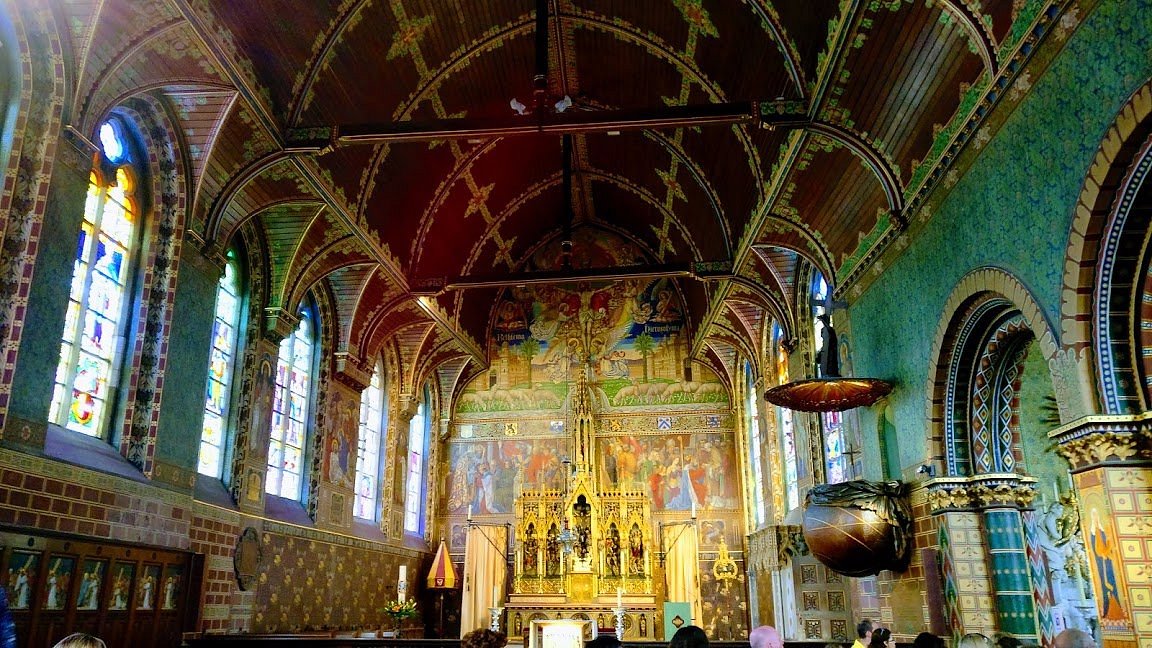
What. The Procession of the Holy Blood was created in 1304 as an expression of gratitude and faith. It has formed part of the city of Bruges' rich history since that time. The Procession of the Holy Blood is included on the Representative List of Intangible Cultural Heritage of Humanity (UNESCO World Heritage). Go to History.
Basilica of the Holy Blood Bruges The Talking Suitcase
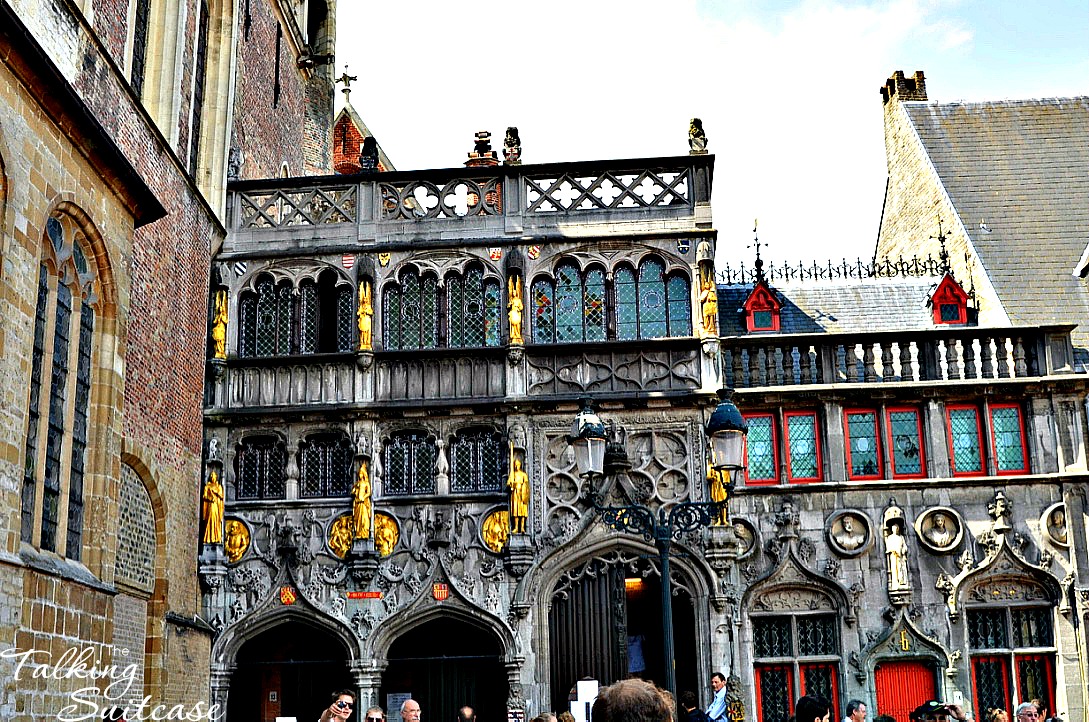
The western end of the stadhuis morphs into the Basiliek van het Heilig Bloed. The basilica takes its name from a phial supposedly containing a few drops of Christ's blood that was brought here after the 12th-century Crusades. The right-hand door leads upstairs to a colourfully adorned chapel where the relic is hidden behind a flamboyant.
The Story Behind Bruges’ Basilica of the Holy Blood

697. Wikimedia. The Basilica of the Holy Blood (Basiliek van het Heilig Bloed) is a 12th century chapel, in the medieval town of Bruges, Belgium, which houses a revered vial containing cloth.
Interior Of Basilica Of The Holy Blood In Bruges, Flemish Region Of Belgium Stock Photo Alamy
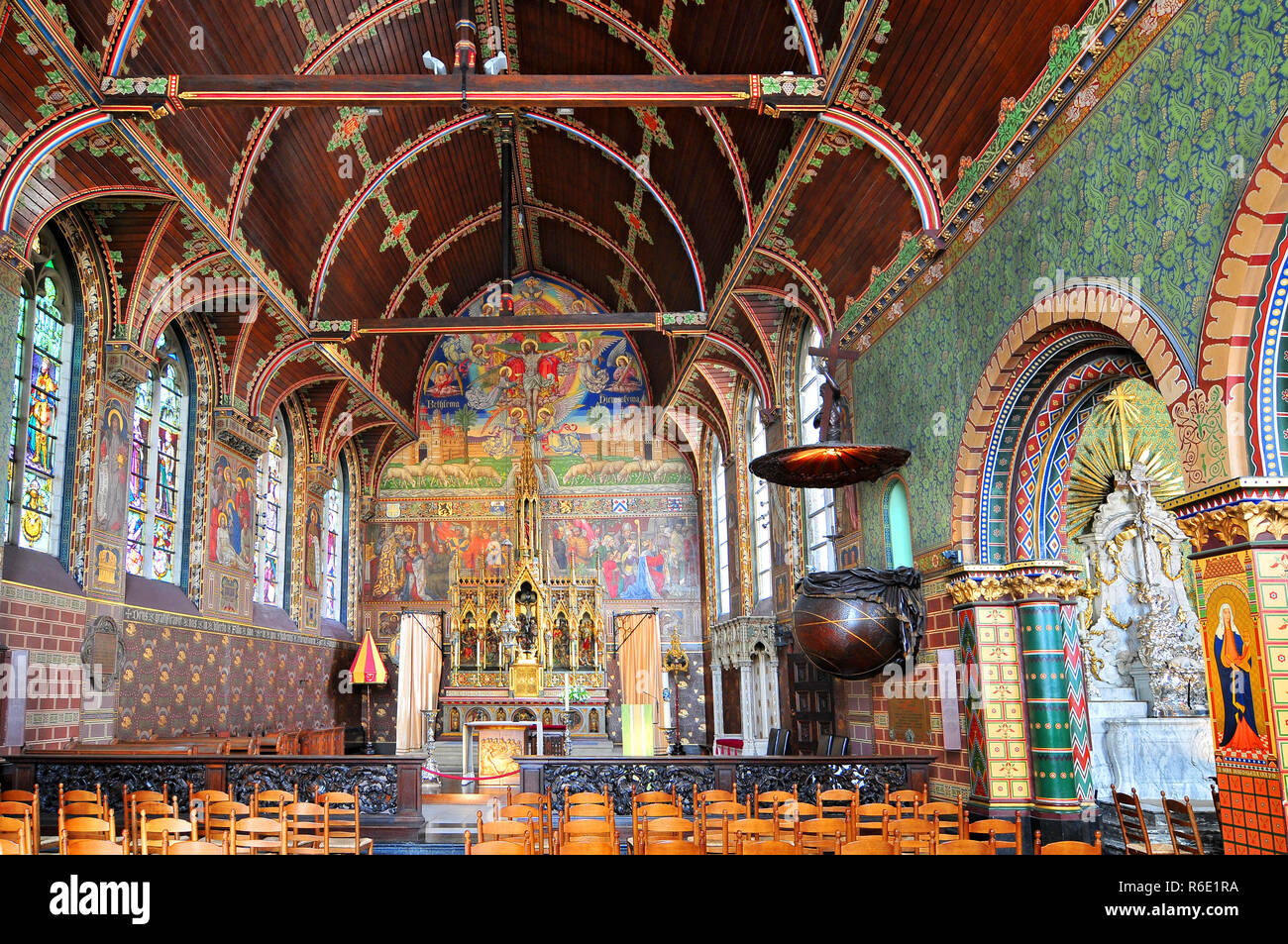
The Basilica of the Holy Blood is a Roman Catholic minor basilica in Bruges. Originally built in the 12th century as the chapel of the residence of the Count of Flanders, the church houses a venerated relic of the Holy Blood allegedly collected by Joseph of Arimathea and brought from the Holy Land by Thierry of Alsace, Count of Flanders.
Basilica of The Holy Blood Bruges Belgium Photograph by Carol Japp Pixels
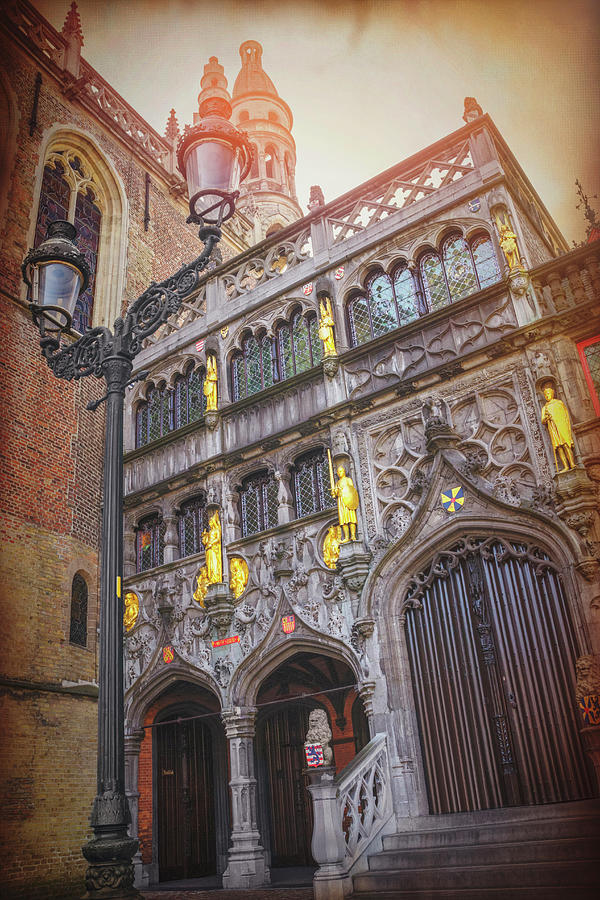
The Basilica of the Holy Blood was elevated to the status of Basilica in 1923, due to the special veneration of the Holy Blood. It consists of an upper and a lower chapel. The lower chapel, dedicated to Saint Basil, is a rare example of Romanesque architecture in the coastal region. The soberly decorated chapel is roofed by stone rib-vaulting.
.