
Timing Belt vs. Serpentine Belt Ask Car Mechanic

For instance, the Aisin Timing Belt Kit is one of the most popular options. Purchasing Replacement Accessory Belts. Whether it is sometimes referred to as a fan belt, alternator belt, or water pump belt, it is most properly called an accessory drive belt, V belt, or serpentine belt. Each vehicle has its own belt configuration, depending on its.
Adjusting a camshaft timing belt How a Car Works
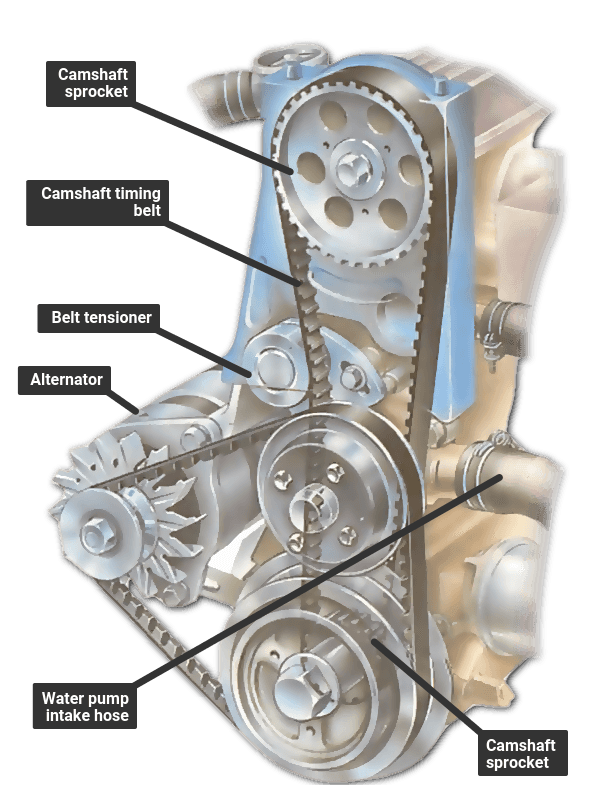
There are 2 crucial belts in a car engine that directly affect the mechanism's operation: a serpentine belt and a timing belt. However, most drivers can't tell these 2 belts apart and often utilize the terms interchangeably (when they don't). To clarify things, Driverevolve has put together a "serpentine belt vs timing belt" comparison table and explained the details in today's post.
Timing Chains Vs Timing Belts

The alternator belt is a vital part of the engine's charging system that links the alternator to the crankshaft, producing electrical power. It must be replaced periodically due to wear and tear, and proper maintenance can prevent the inconvenience of avoidable breakdowns and expensive repairs. This Mini's alternator is located to the left.
Serpentine Belt Vs Timing Belt What is the Difference? • Road Sumo
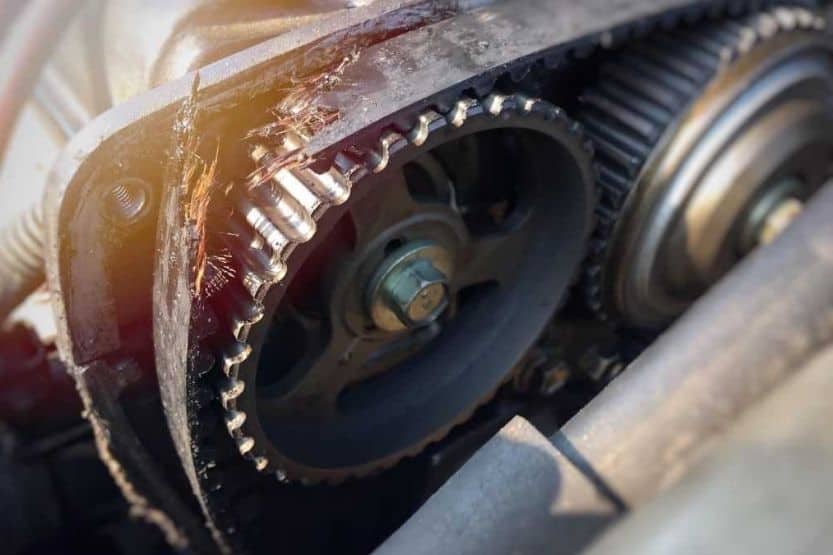
This belt plays a critical role in the combustion process of your vehicle. A timing belt is directly driven because it's directly connected to the crankshaft pulley and turns the camshaft. III. Length. The timing belt is shorter than a serpentine belt. Remember that the serpentine belt envelops several pulleys while a timing belt connects.
Serpentine Belt vs. Timing Belt Know The Differences AutoGlobes
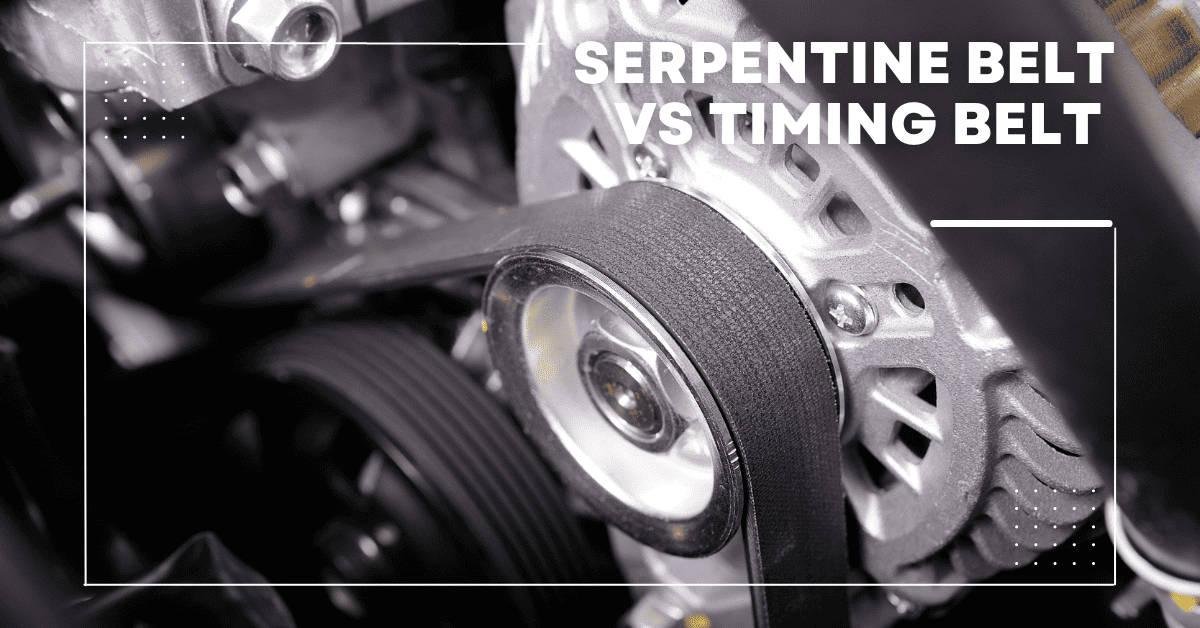
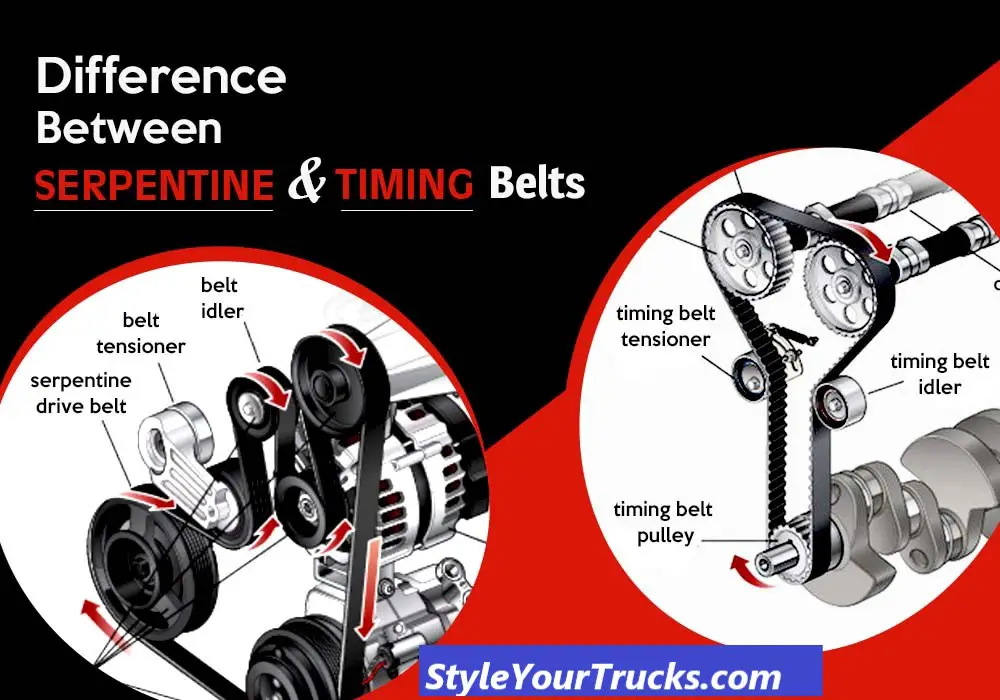
Serpentine belts are designed to activate motor-driven parts and systems, whereas timing belts are used to synchronize the camshaft with the crankshaft. Another difference between serpentine belts and timing belts involves the material from which they are made. Serpentine belts are typically made of a rubber or a polymer-based material.
Serpentine Belt vs Timing Belt What's the Difference? YouTube
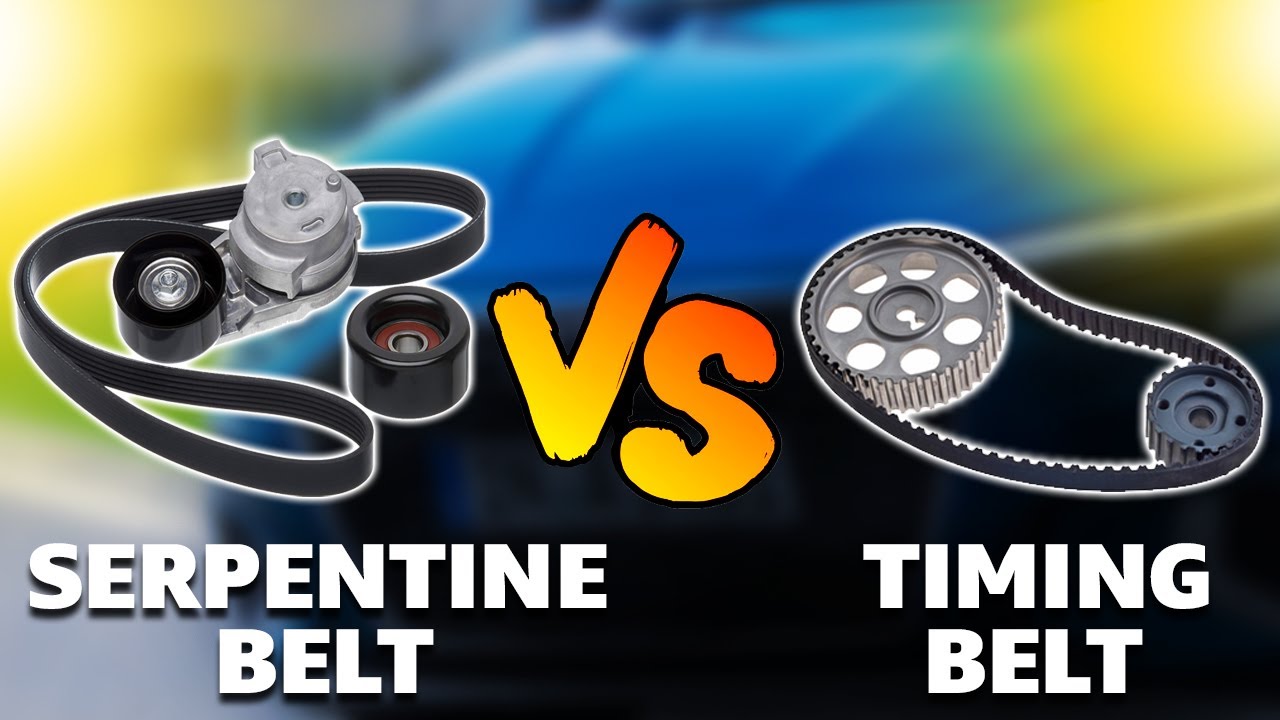
A serpentine belt typically has v-shaped grooves on the interior side, which run vertically along the length of the belt to provide better traction. On the other hand, a timing belt has horizontal grooves (like teeth) that fit the cogwheels of the crankshaft and camshaft. 5. How Easy They're To Replace.
Serpentine Belt vs Timing Belt What are the functions and differences?
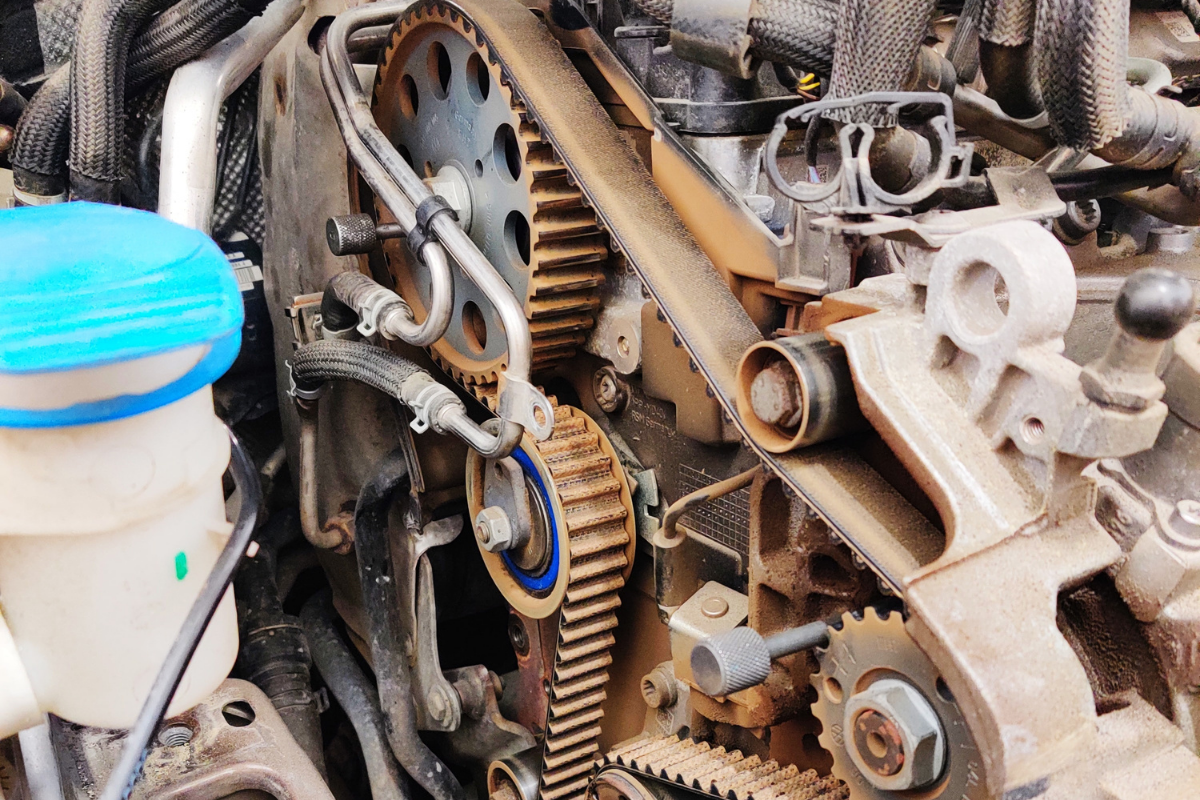
Timing and serpentine belts have different functions, designs, maintenance, and costs. The serpentine belt powers engine components, while the timing belt rotates the camshaft and crankshaft. Serpentine belts are easier to inspect and replace but need wear checks. Engine damage is prevented by replacing timing belts at specific intervals.
Serpentine Belt vs Timing Belt Difference How We Drive

The serpentine belt is located on the outside of the engine. If you pop the hood and look at your engine, the serpentine belt isn't hard to spot. It's a long rubber band stretched out on the side of the car, connecting the engine to key components of your car. For instance, the timing belt spins the alternator, which converts engine power.
Serpentine Belt Vs Timing Belt Functions and Maintenance

Timing belt replacement requirements vary by vehicle, so check your owner's manual, but generally, timing belts last between 60,000-100,000 miles. Timing Belt Replacement Cost Replacing a timing belt usually costs between $400-1,000, depending on the type of car (some timing belts are harder to replace than others).
Serpentine Belt vs. Timing Belt Know The Differences AutoGlobes
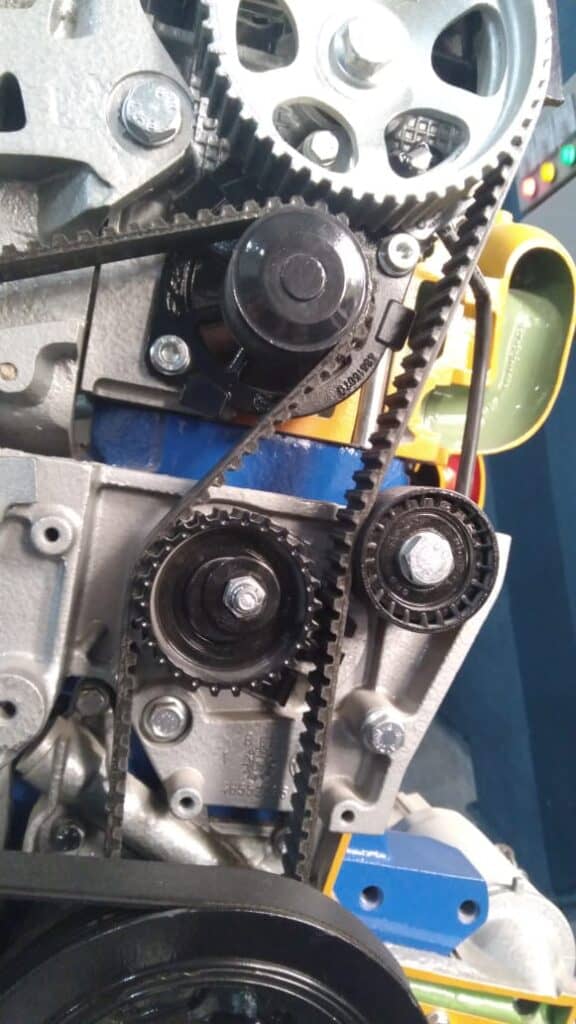
The serpentine belt is long, and winding, and powers multiple components, including the alternator. The alternator belt, on the other hand, is often shorter and may only drive the alternator. Belt sizing also varies. Serpentine belts are usually wider and longer to accommodate multiple pulleys. Alternator belts, conversely, are sized to fit.
Serpentine Belt vs Timing Belt Are They The Same? YouTube
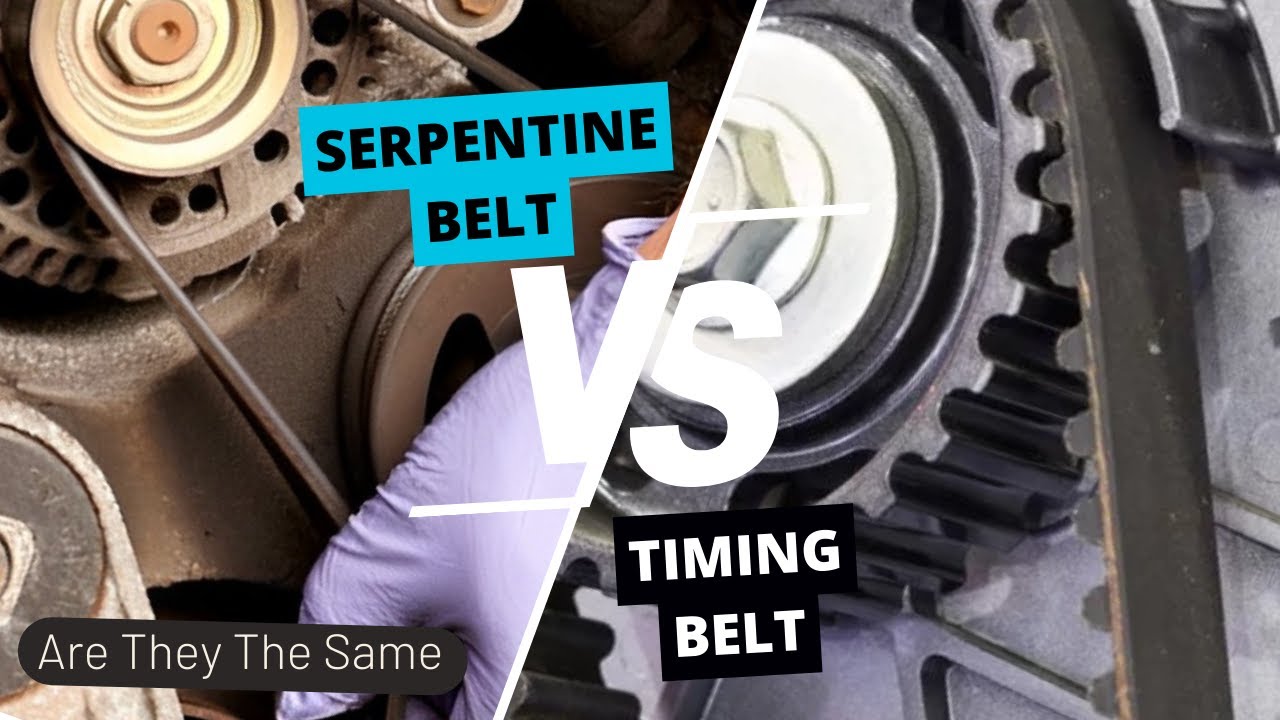
Alternator belt replacements typically range from every 30,000 to 50,000 miles while serpentine belt replacements can last up to 100,000 miles. The upfront cost of a serpentine belt is higher compared to an alternator belt but its durability means less frequent replacements and lower labor costs over time.
Understanding The Difference Between A Serpentine Belt Vs Timing Belt For Your Fairfax, VA
5. Serpentine Belt Vs Timing Belt Repair Cost. If the serpentine belt or timing belt is worn or damaged, it is best to replace it instead of trying to fix it. Most of the time, the cost to replace the serpentine and timing belts depends on the make and model of the car. Serpentine belt parts cost around $60 to $80, and labor costs about $50 to $70.
Serpentine Belt vs Timing Belt Difference How We Drive
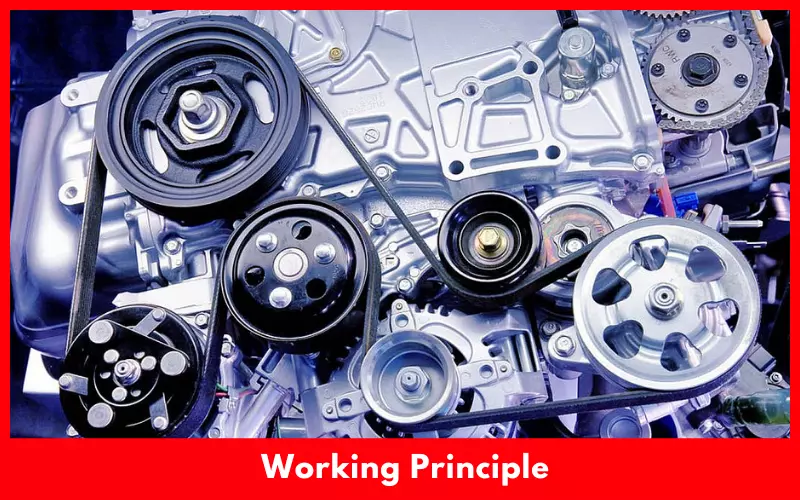
The serpentine belt is what keeps the engine accessories running smoothly and efficiently. It connects the engine crankshaft on the outside of the engine to all of the engine accessories. You can easily tell the difference between the two when you look at . A timing belt has horizontal "teeth" designed to fit the cogwheels of the crankshaft.
Serpentine Belt Vs Timing Belt A Detailed Comparison
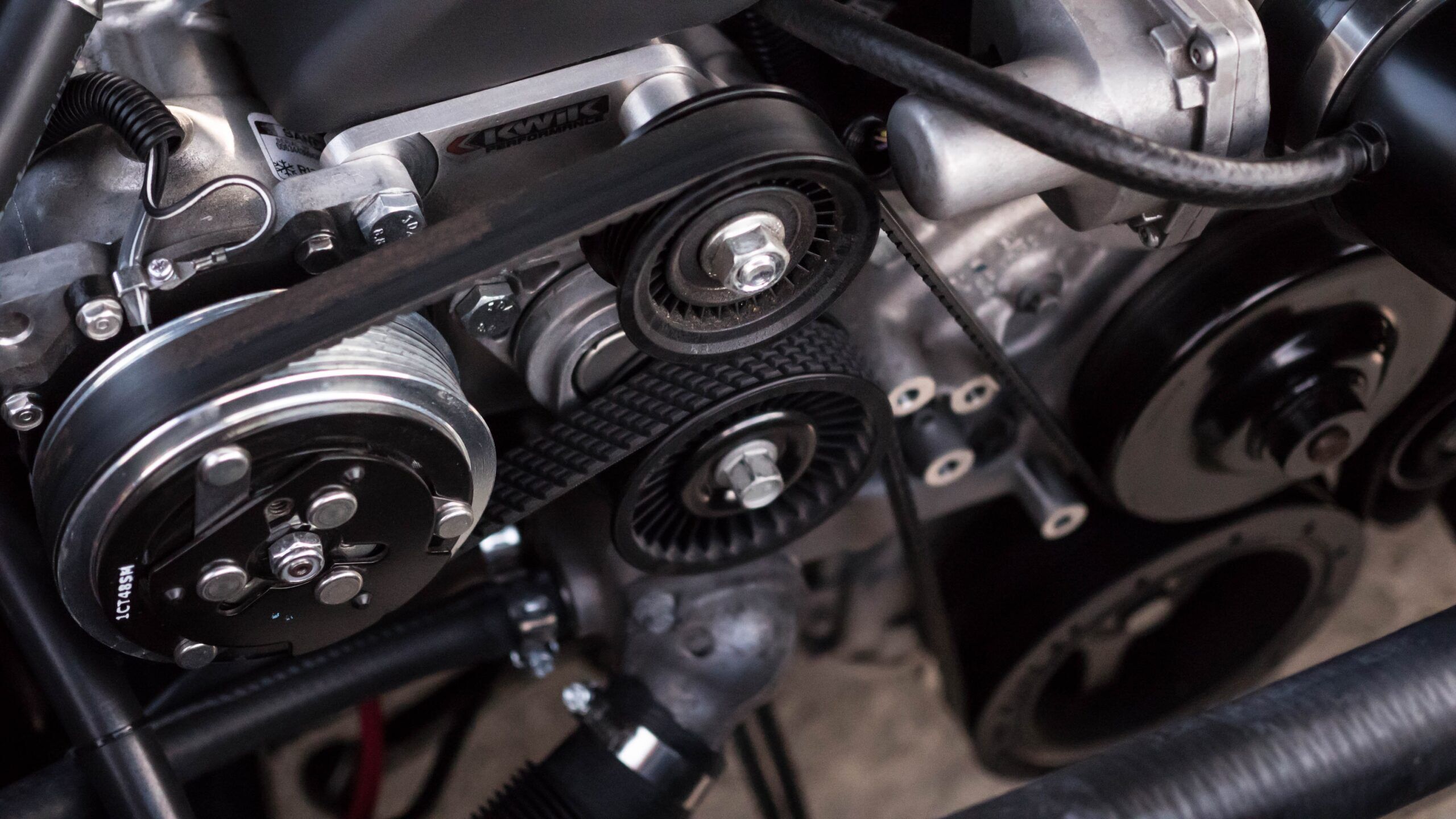
On the contrary, the timing belt looks just like the alternator but is located inside the engine and is responsible for the synergized running of the crankshaft and camshaft.This synergy ensures that the opening and closing of the engine's intake and exhaust valves are in sync with the rapid movements of the pistons, a crucial process in the smooth operation of an engine.
Alternator Belt Vs Timing Belt. The Alternators Between Belts and Timing Belts Manchester Ideas

The average price range for a serpentine belt replacement is usually lower than that of a timing belt replacement. On average, you can expect to pay between $100 and $250 for a serpentine belt replacement, including parts and labor. Again, this cost can vary depending on various factors.
Serpentine versus timing belt — Ricks Free Auto Restore Ricks Free Auto Restore

The serpentine belt takes mechanical power from the engine and transmits it to several peripheral devices of the vehicle, such as the water pump, power steering pump, alternator, air pump, oil pump, and air conditioning compressor. A timing belt, on the other hand, is responsible for keeping the camshaft and crankshaft movements synchronized.
.